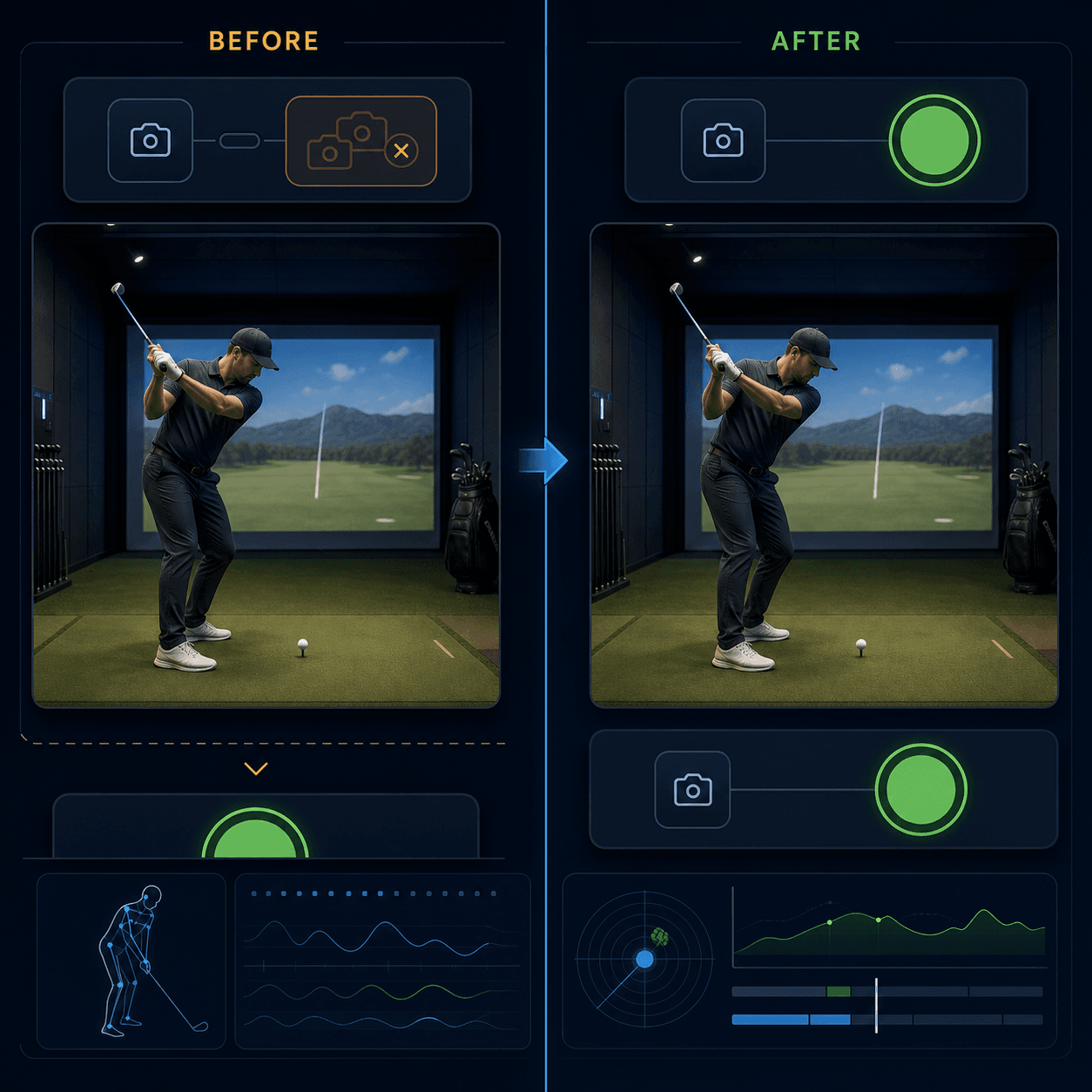
A disabled button was not a broken recorder.
The Mac app was telling the truth about paired capture while hiding the working single-camera path below the preview.
6 minRead
Field notes, research, playbooks, and lessons. One place to follow the threads that matter to your work.
The Mac app was telling the truth about paired capture while hiding the working single-camera path below the preview.
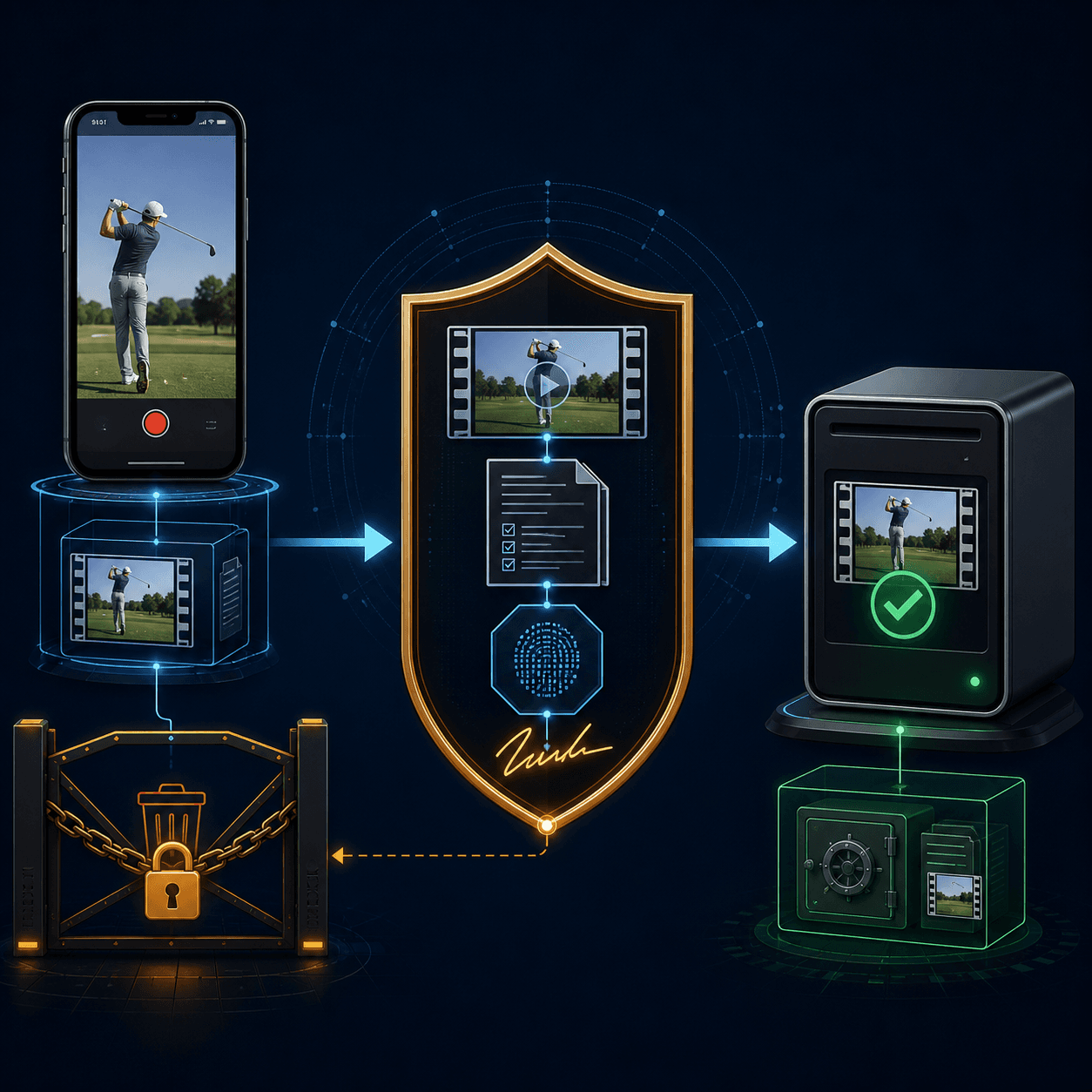
Moving a golf video off the iPhone was easy. Proving that the phone copy could be safely removed was the real system.
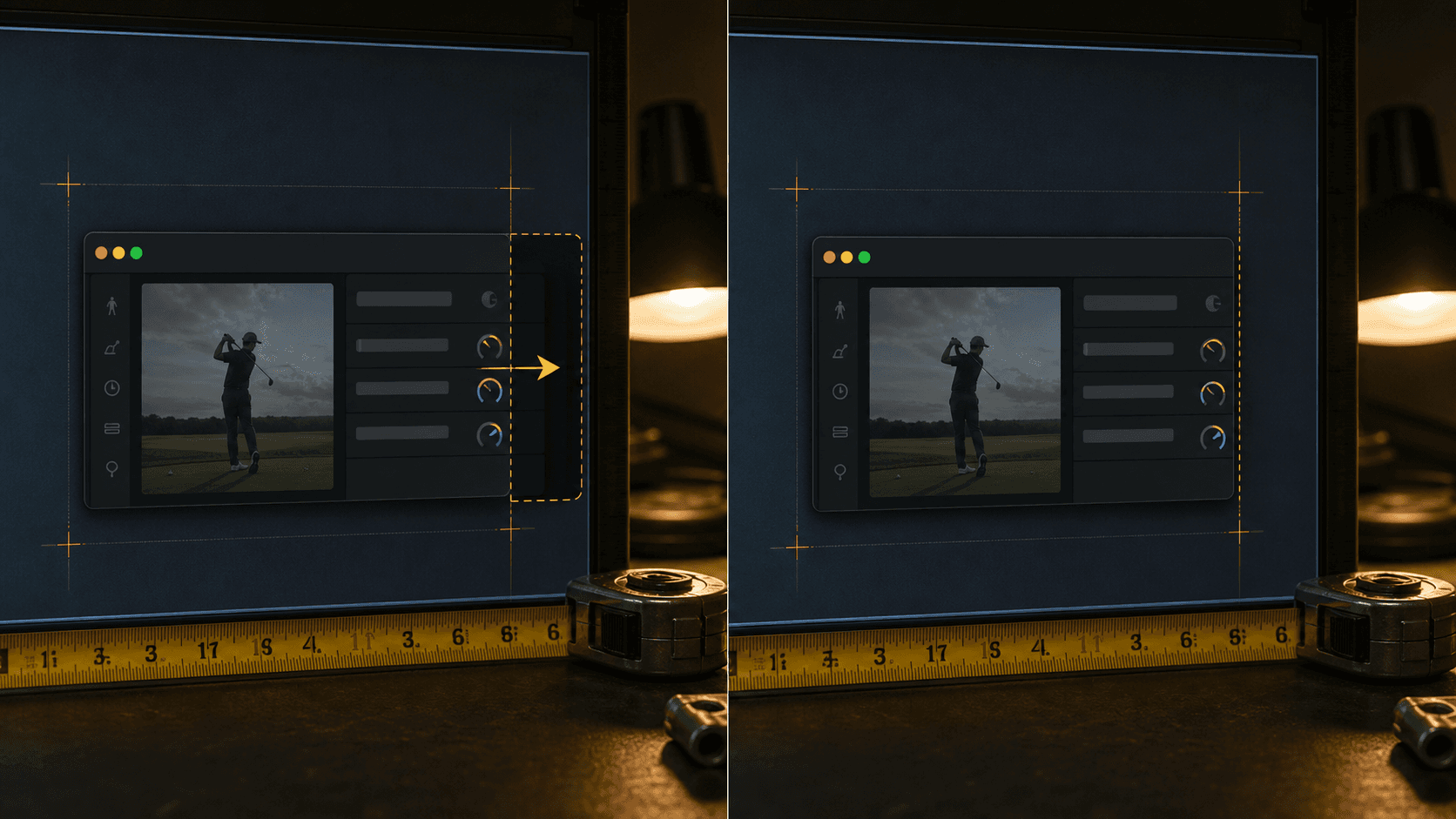
Swing Trainer's Live Studio passed its presentation suite, but a real 1149×772 window clipped critical capture controls. Why visual verification remains a separate release gate.
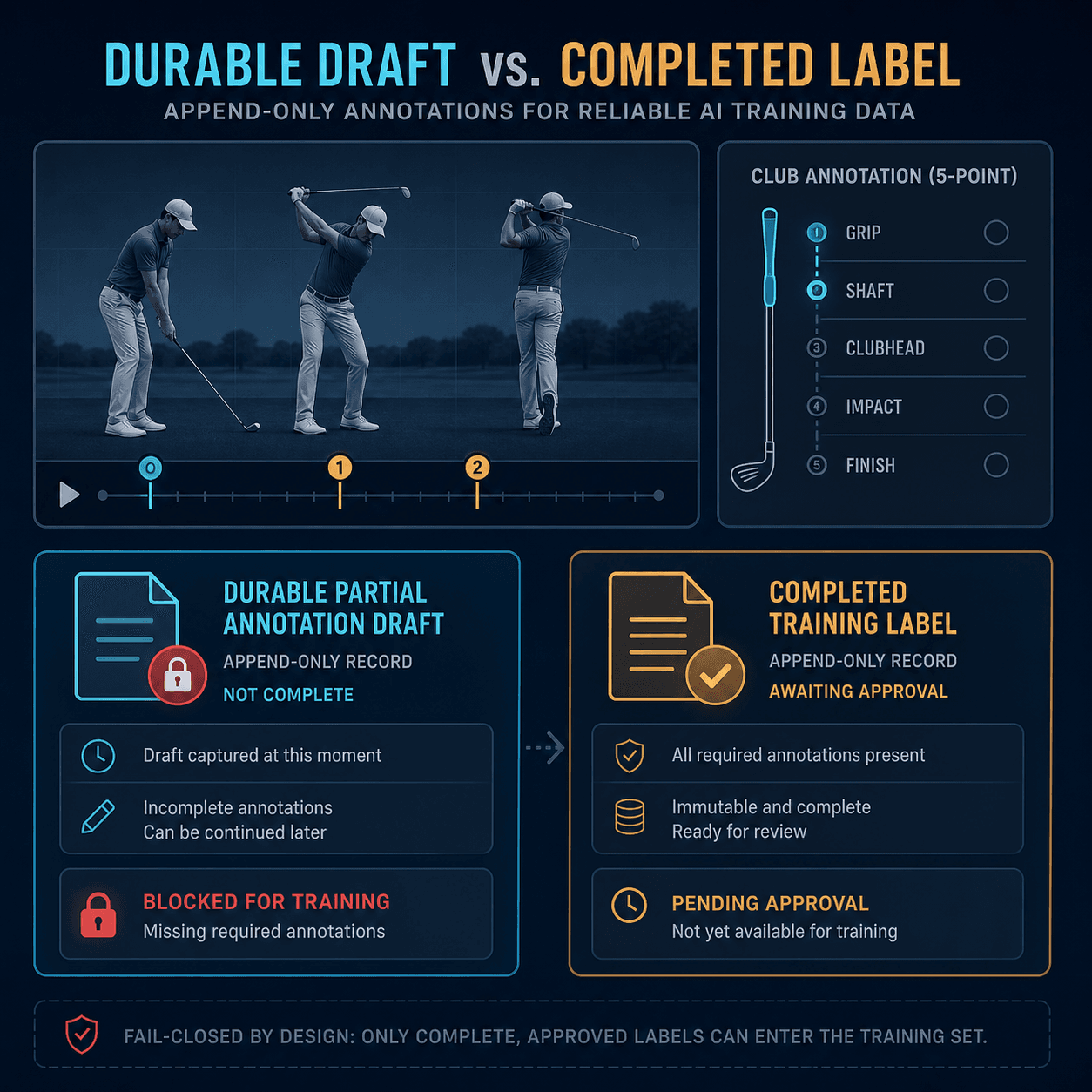
Swing Trainer needed to preserve partial human review without calling incomplete work training truth. The revision model that keeps drafts, labels, and source video separate.
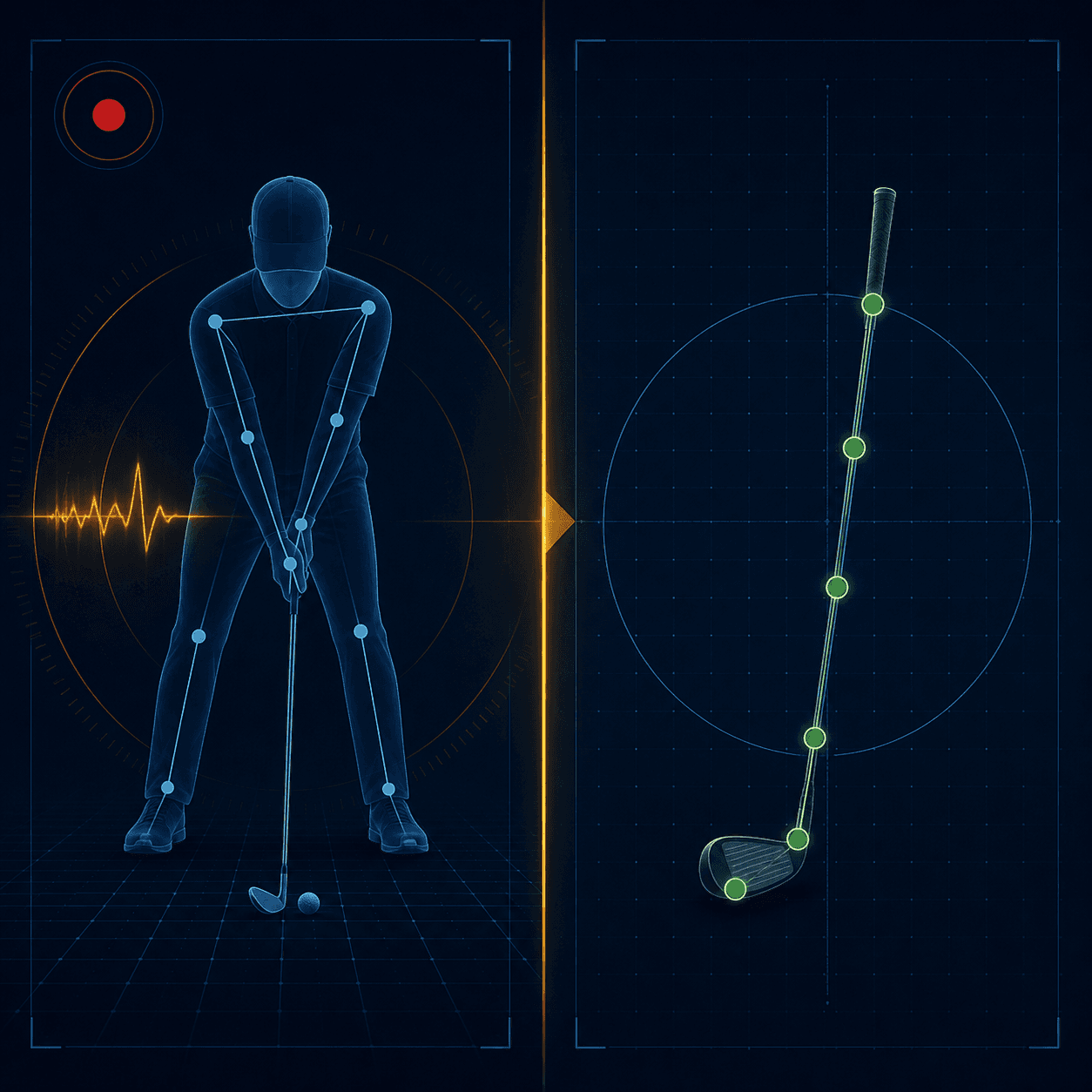
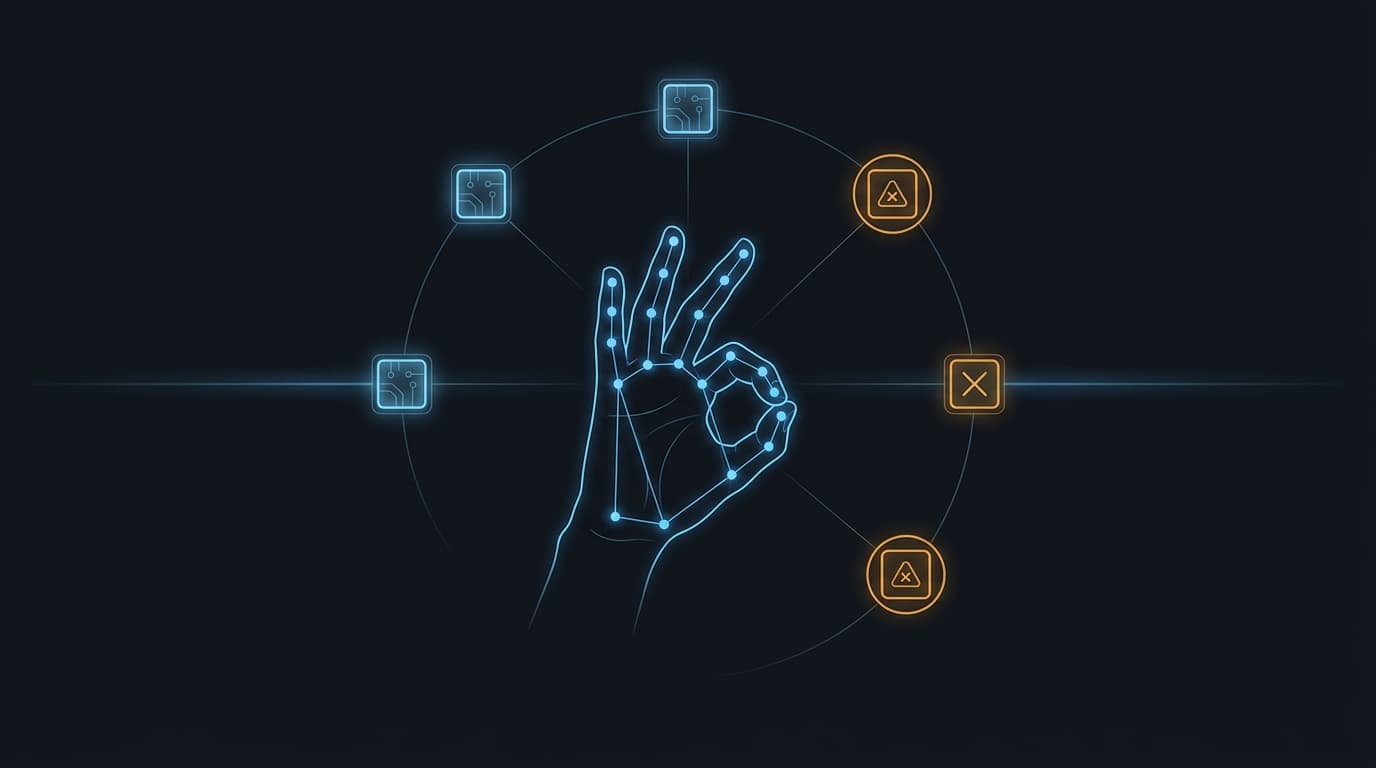
Body motion can start and stop a golf recording, but it cannot prove where the club is. The evidence boundary behind Swing Trainer's hands-free capture system.
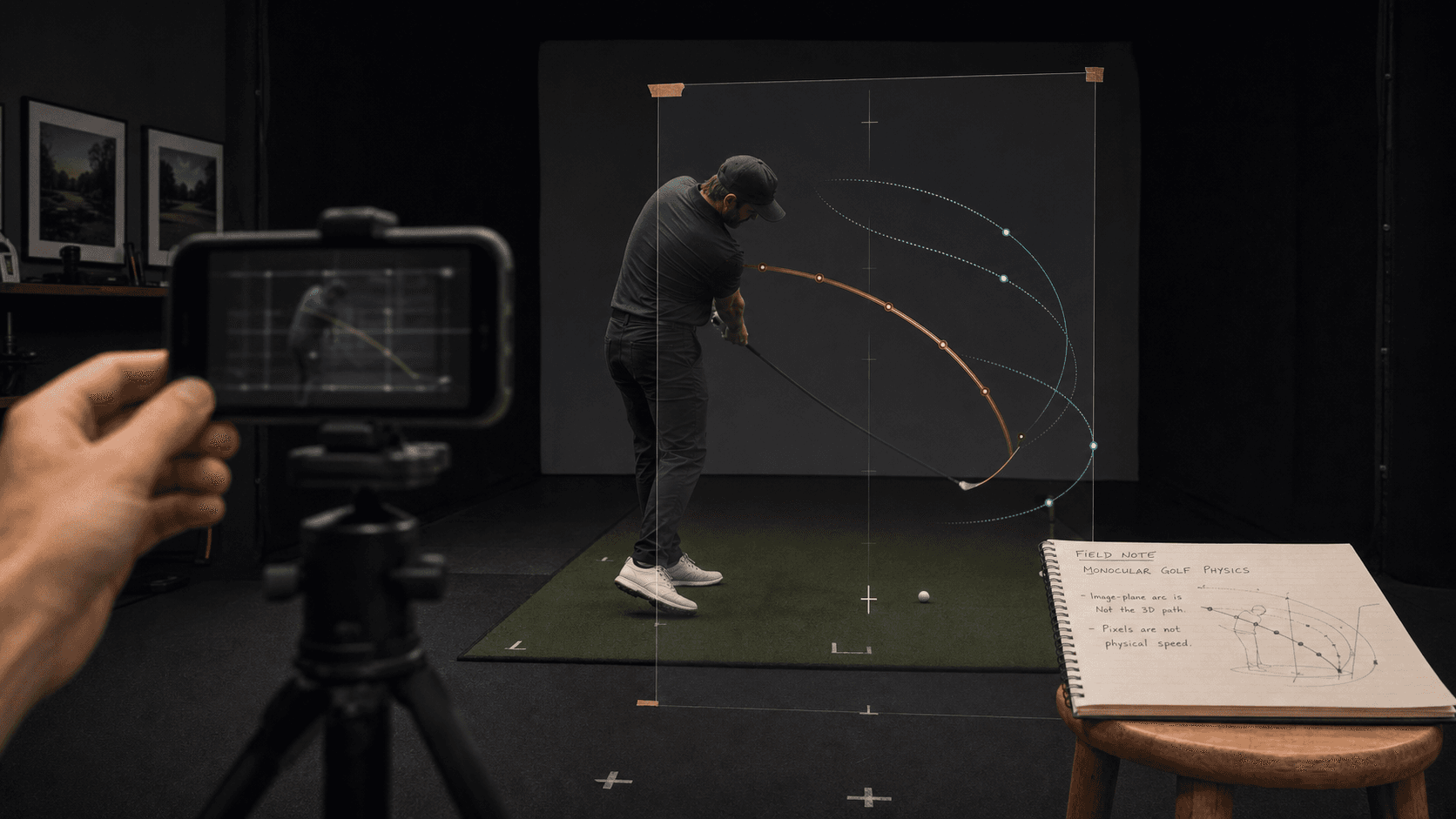
The physics boundary inside Swing Trainer: what monocular video can support, what calibration might unlock, and what still requires an external instrument.
Why the Swing Trainer RunPod gate stops at provenance, frozen splits, and real five-point labels—even with thousands of images already staged.
GitHub, Roboflow, Kaggle, and Hugging Face produced plenty of files. The hard part was refusing to call mismatched labels a dataset.
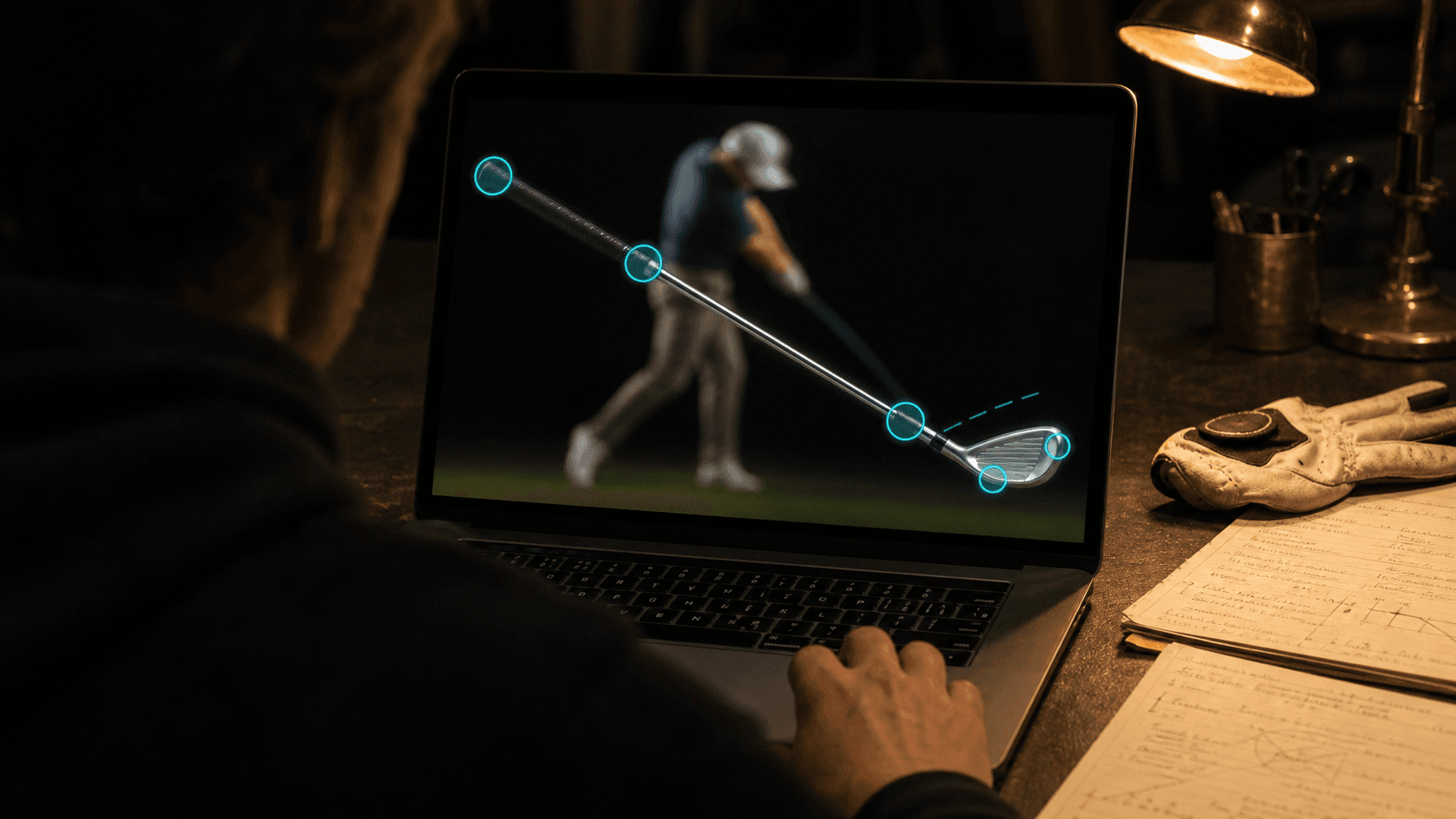
The club looked simple until motion blur, hands, clothing, and the edge of the frame turned one object into five different evidence problems.
A pose system can see a body, a club detector can see a club, and a launch monitor can report a ball. Calling all three one measurement is how a golf product starts inventing facts.
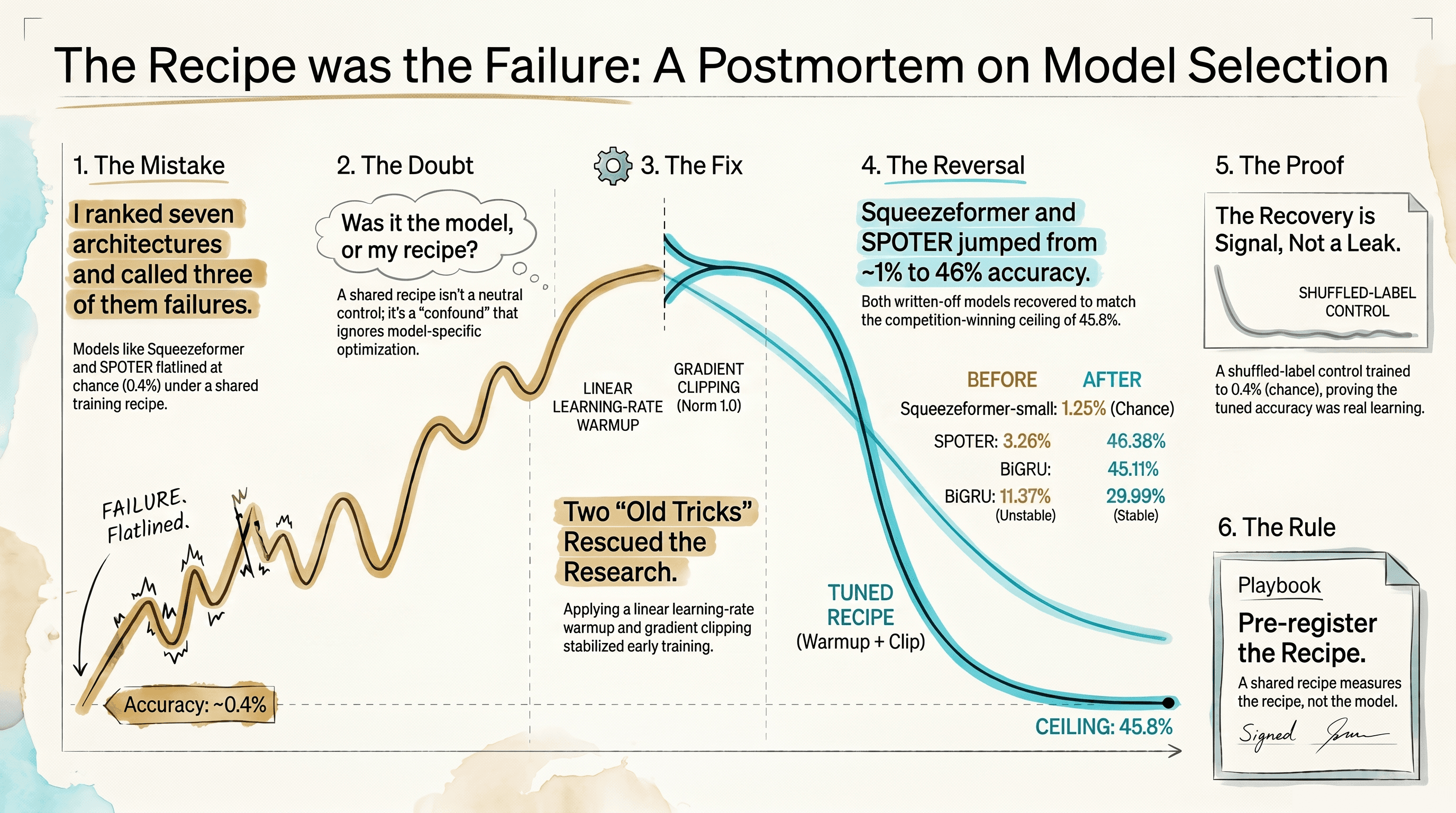
A Parley notebook reported three landmark architectures as broken on cross-signer ASL. A warmup and a gradient clip brought all three back, and two matched the best model. The ranking had measured my training recipe, not the models.
Our sign model averages 42% across signers. That average hides a range from 26% to 64% — and the thing that decides where a person lands is not the signs they make, it is who they are.
Our best landmark-only sign model scores 45% on signers it has never seen. The field routinely reports numbers twice that high. The lower number is the honest one, and it is the one we publish.
I keep a running catalog of how hearing-led sign-language AI fails. It is not a list of other people's sins. It exists so Parley can catch itself the moment it starts to look like one of them.
Clean data beats model size. Every time. Don't upgrade the model until you've audited the labels.
Agents are unreliable judges of their own work. Here's how a structural fix — not a smarter model — stopped QC's CV pipeline from shipping silent failures.
Twelve-camera tracking rigs and Hawk-Eye are infrastructure at the top. The same capability now fits on a $249 board and a commodity camera. What that unlocks across every sport — and why the smartest way in is the narrowest one.
What a phone camera can tell us about a golf club—and where physical measurement needs more evidence.
Three sign-recognition models recovered when the training recipe changed. A closer look at what model comparisons actually measure.
An audit of sign recognition on unseen signers, with multiple seeds and explicit limits on what the results establish.
Why one average accuracy score can conceal very different experiences across 21 signers.
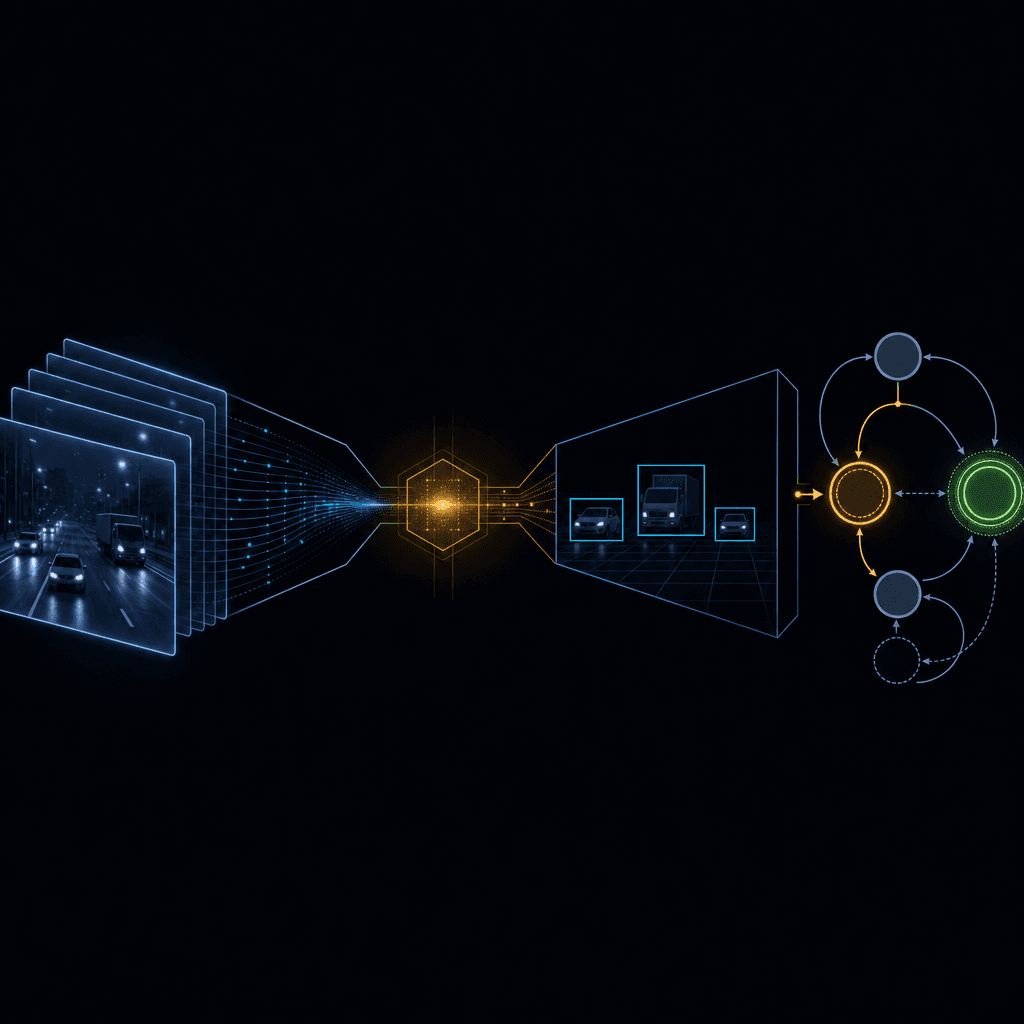
Real-time scoring of physical-object sports requires a computer vision pipeline that can simultaneously satisfy constraints from three domains: inference latency (sub-35ms end-to-end), detection reliability (>99% on custom domain data), and commercial licensing (Apache 2.0 for network-service deployments).
Generic computer vision model fine-tuning treats dataset construction as secondary to architecture selection.
We report a case study (n=1 task, three agent harnesses, single operator) comparing Claude Code, OpenAI Codex CLI, and Cursor on the construction of a multi-stage computer-vision evaluation pipeline.
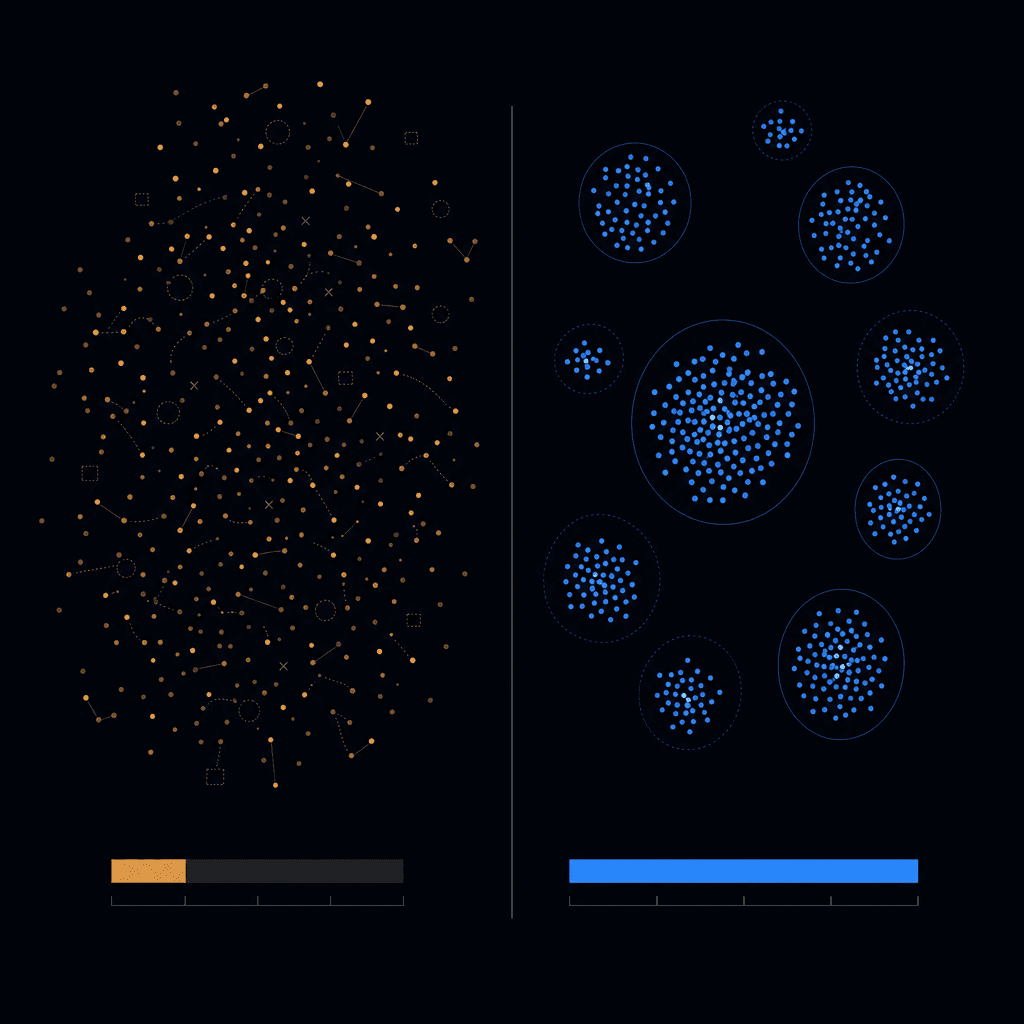
Computer vision systems shipped to production frequently report misleading evaluation metrics due to undetected overlap between training and held-out eval data.
Real-time computer vision systems that must operate under latency constraints face a tension between detection accuracy and inference speed.
Don't build computer vision for sports. Build it for one sport — the one with the most constrained geometry and the simplest rules — get it referee-grade, then generalize. Three filters and the trust-bar framework.
The discipline behind Parley's notebooks: question-first contracts, signer-holdout splits, multi-seed floors, failure-modes-first, and a Deaf-community honesty checklist. The rules that make a 45% you can trust beat an 85% you can't.
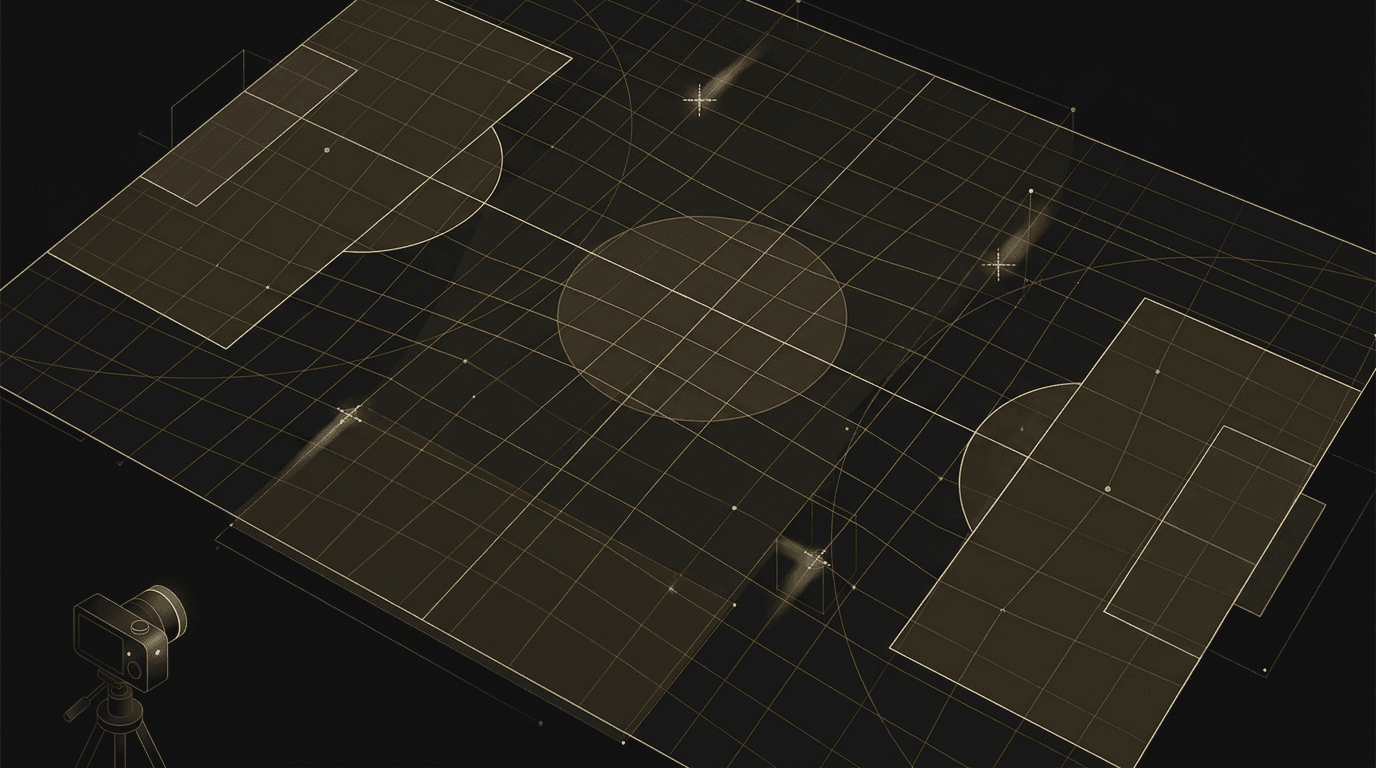
The hardest version of a CV problem is an open field; the easiest is fixed geometry you can pin with homography. How to choose the narrow, solvable entry point — then generalize.