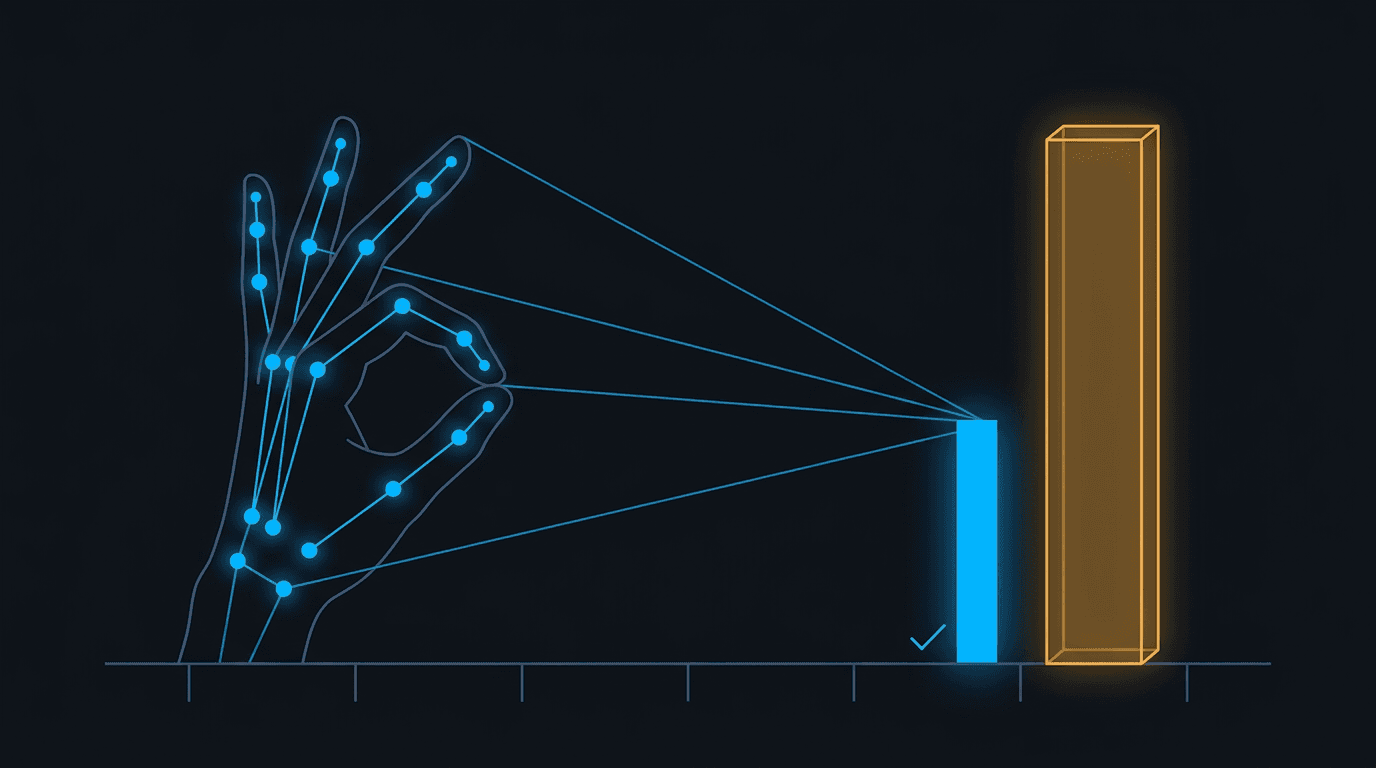
Codex Astra did not remove the need for proof.
A more capable coding agent can cross a larger problem in one run. That makes scope, receipts, and independent verification more important, not less.
5 minRead
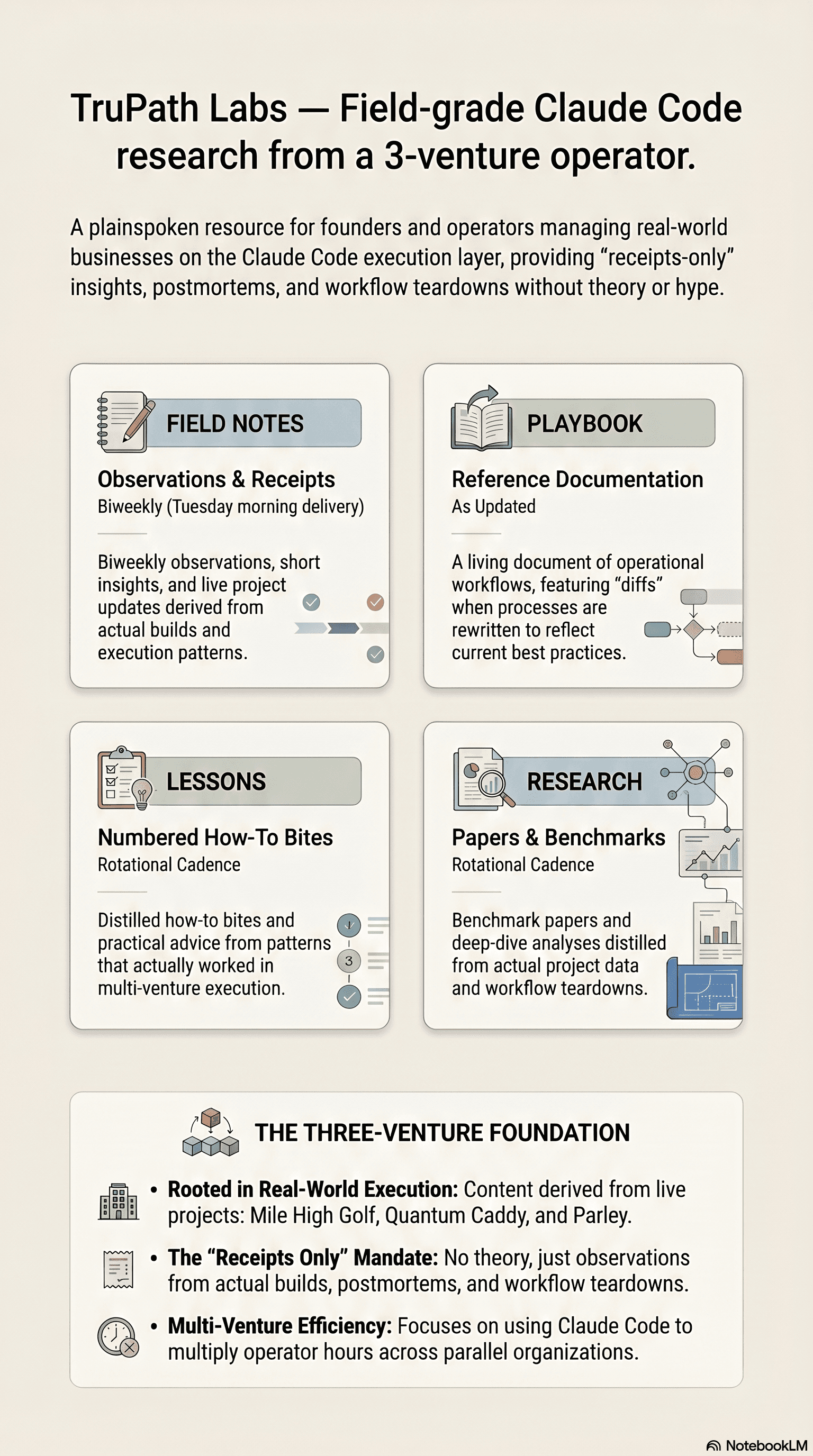
Field notes, research, playbooks, and lessons. One place to follow the threads that matter to your work.
A more capable coding agent can cross a larger problem in one run. That makes scope, receipts, and independent verification more important, not less.
A beautiful knowledge graph becomes another inbox unless it is clear what belongs there, what stays elsewhere, and which system is allowed to call work complete.
The environment had terrain, trees, bunkers, and mountains. It still did not feel like the concept, because technical completeness and visual authorship are different jobs.
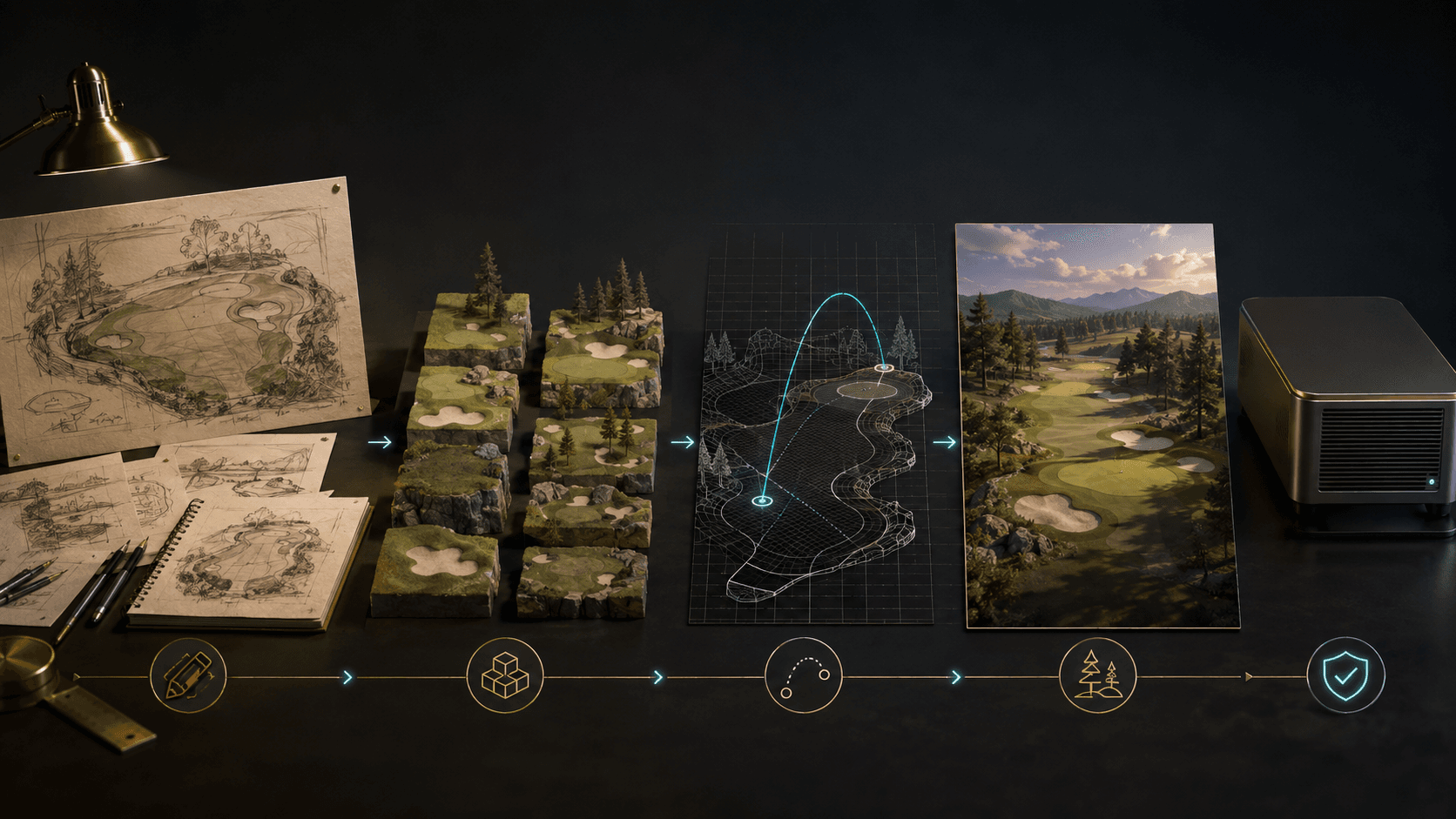
Before there was a playable hole, there had to be a way to keep concepts, assets, physics, builds, and claims from collapsing into one folder called progress.
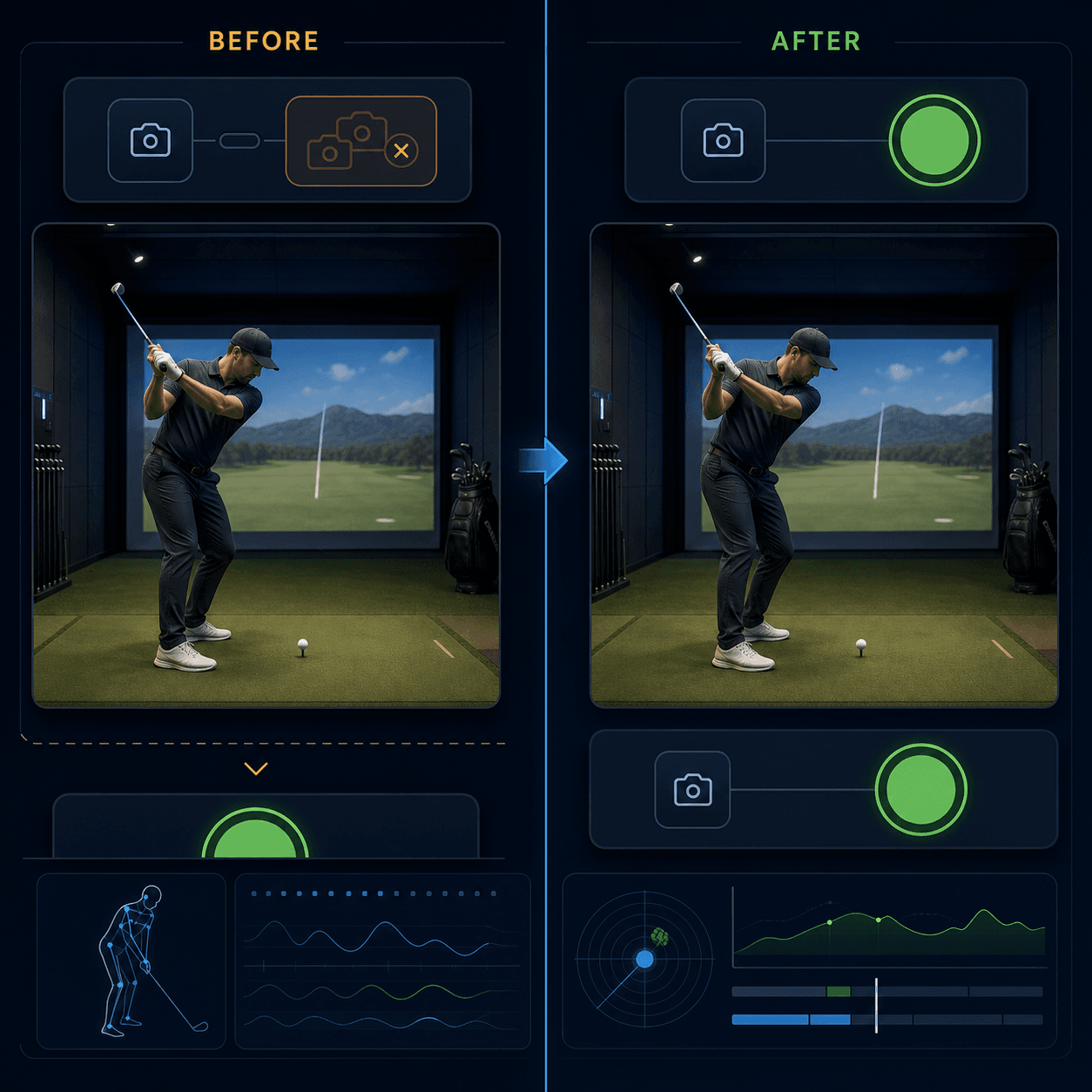
The Mac app was telling the truth about paired capture while hiding the working single-camera path below the preview.
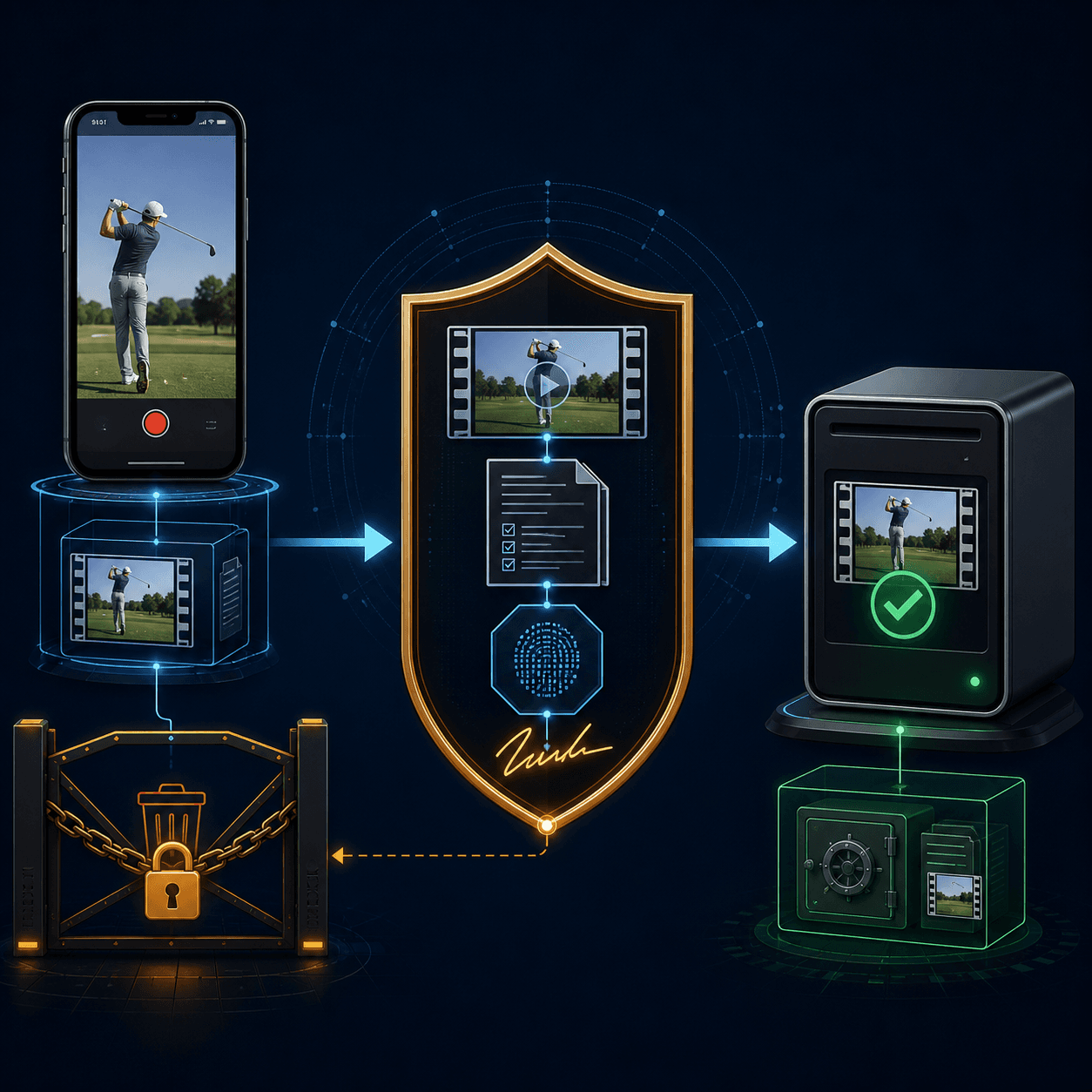
Moving a golf video off the iPhone was easy. Proving that the phone copy could be safely removed was the real system.
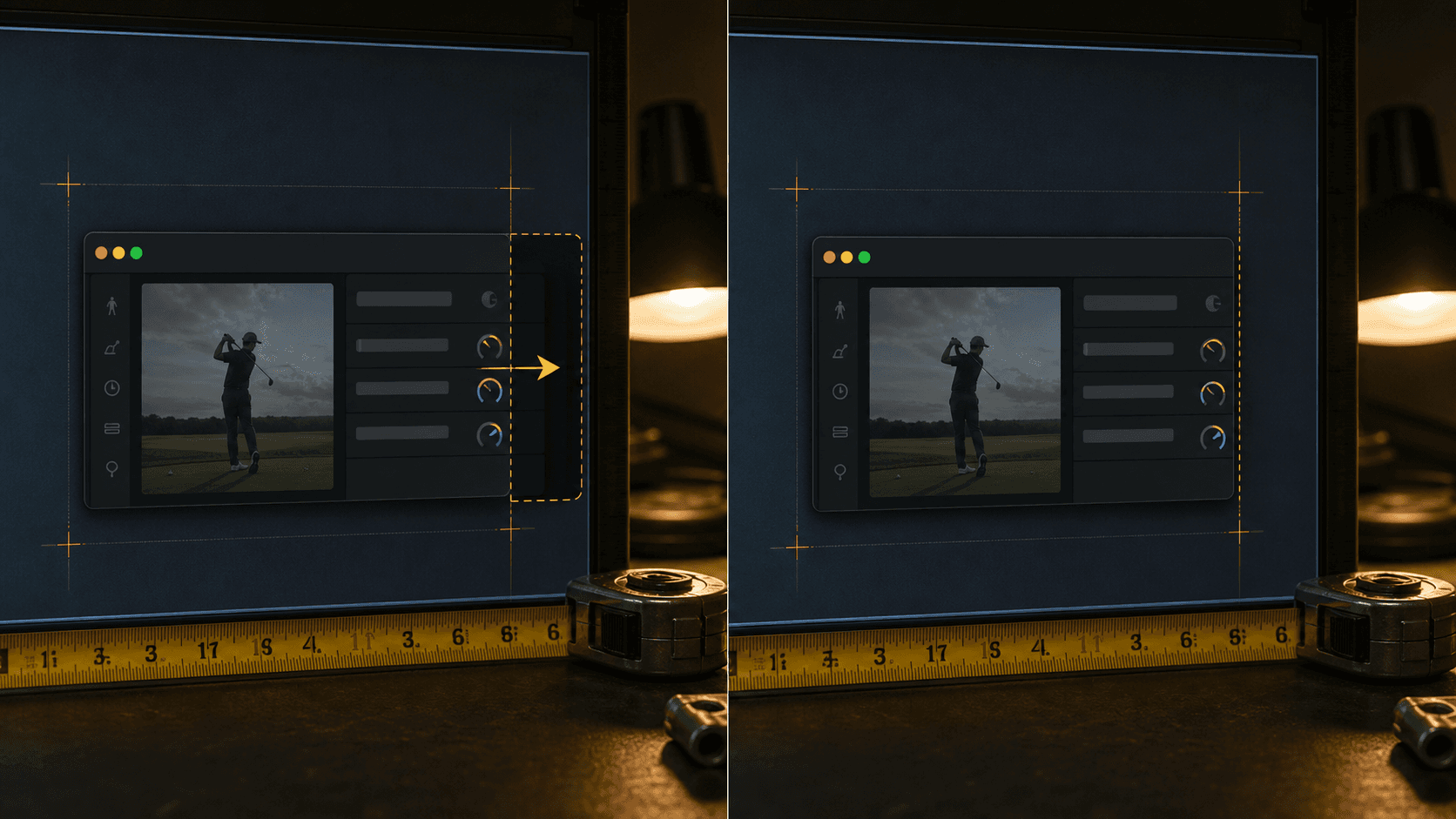
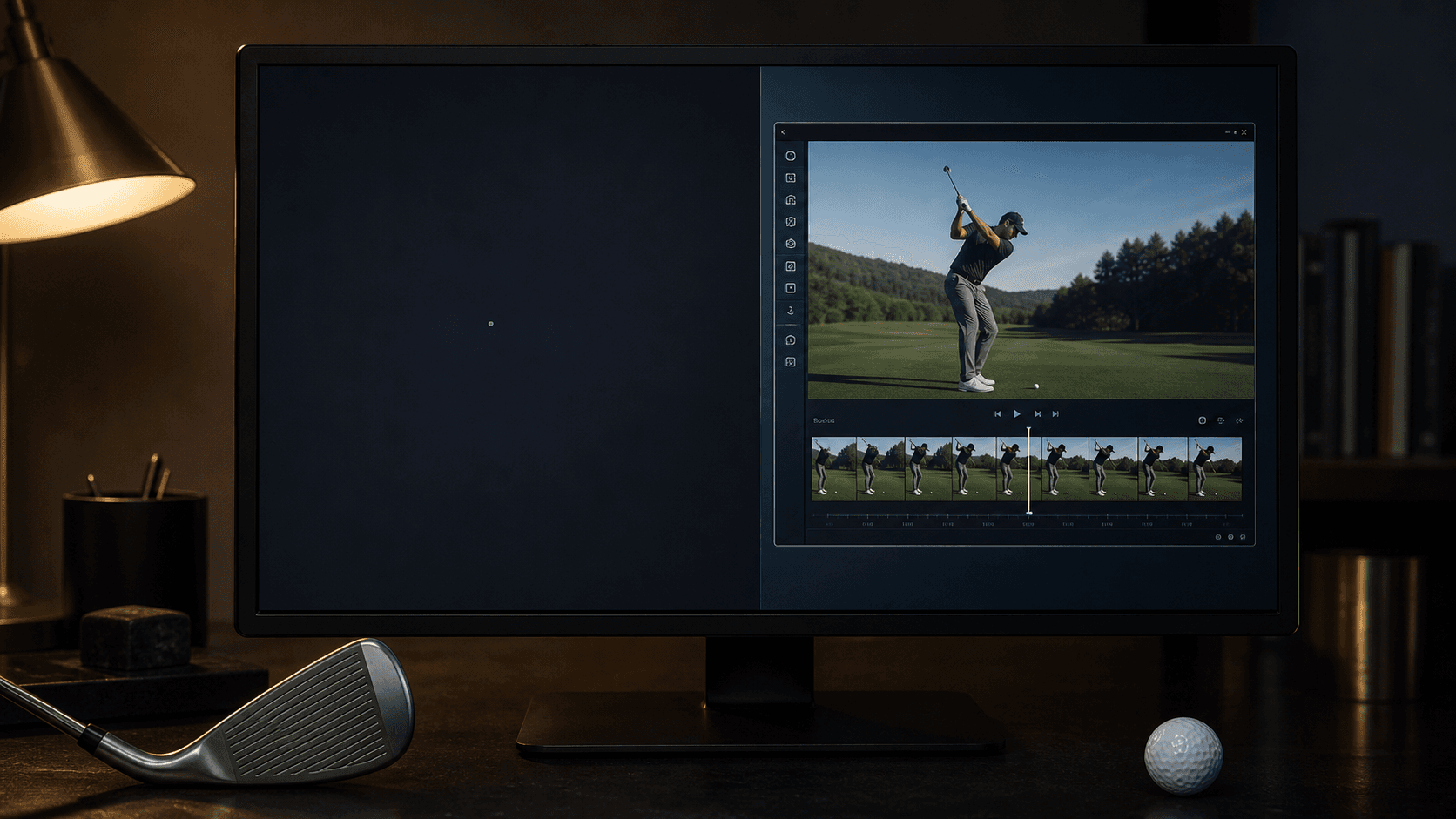
Swing Trainer's Live Studio passed its presentation suite, but a real 1149×772 window clipped critical capture controls. Why visual verification remains a separate release gate.
A signed macOS process, green tests, and an idle run loop did not prove that the user had a usable app. The launch investigation that separated disk work, window state, and observation error.
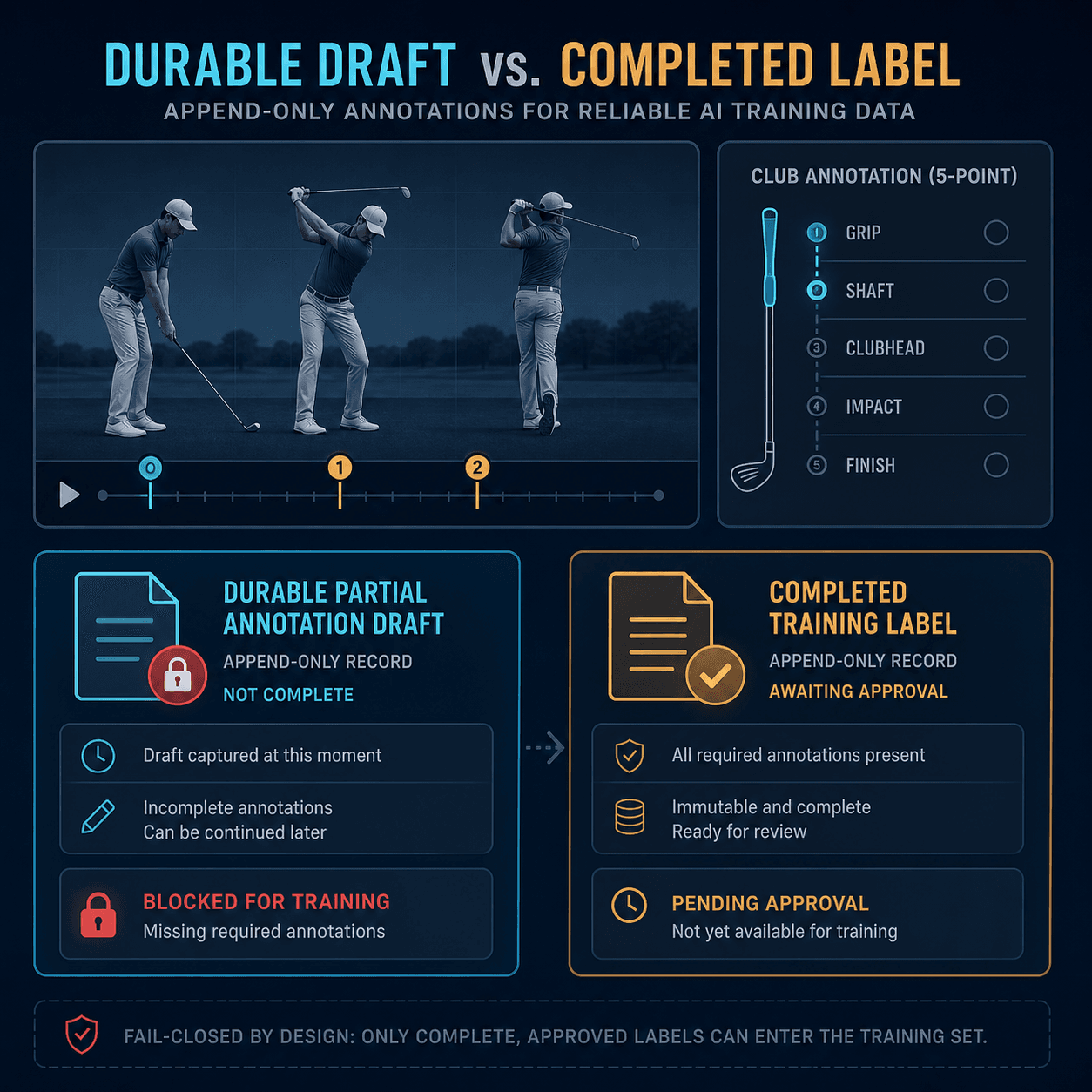
Swing Trainer needed to preserve partial human review without calling incomplete work training truth. The revision model that keeps drafts, labels, and source video separate.
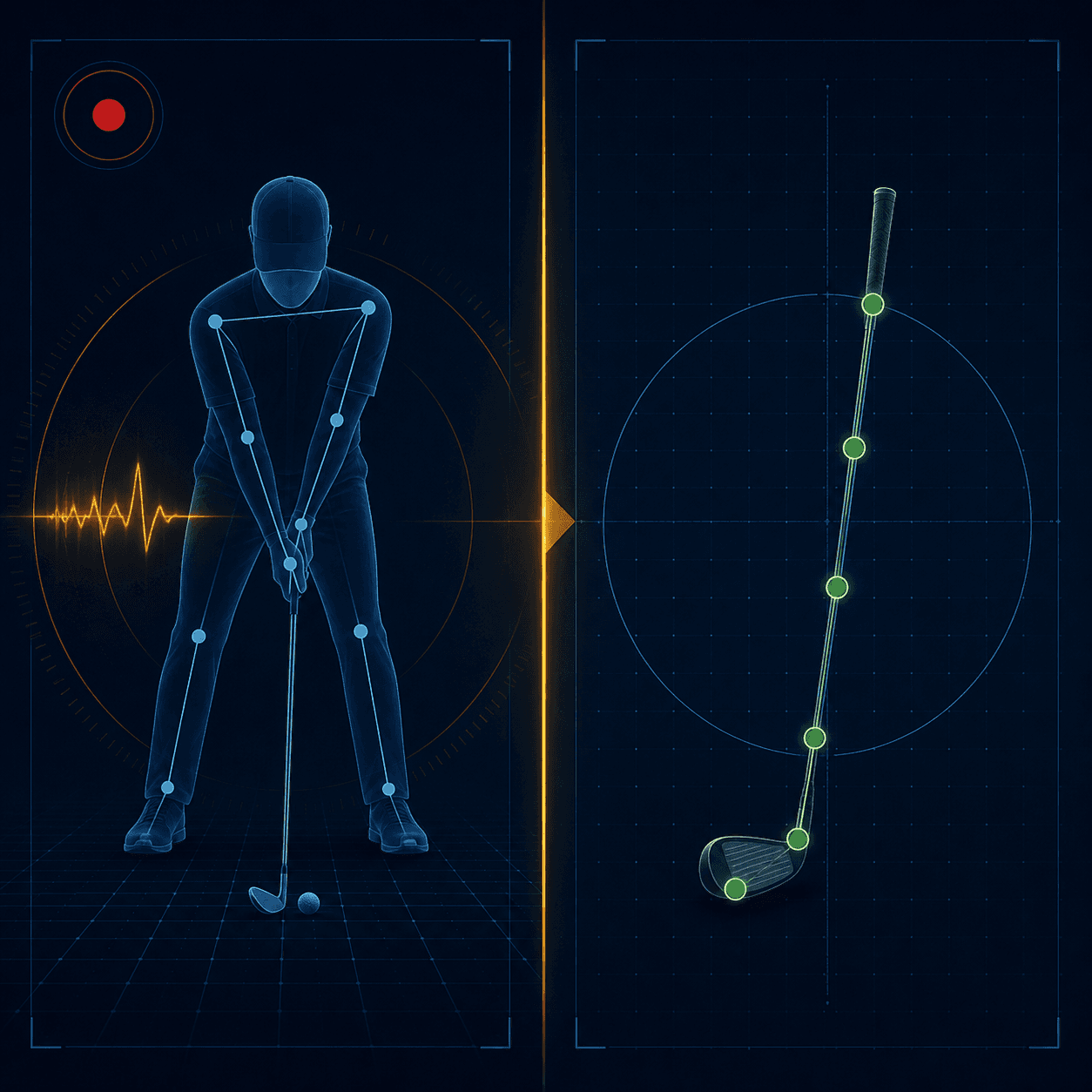
Body motion can start and stop a golf recording, but it cannot prove where the club is. The evidence boundary behind Swing Trainer's hands-free capture system.
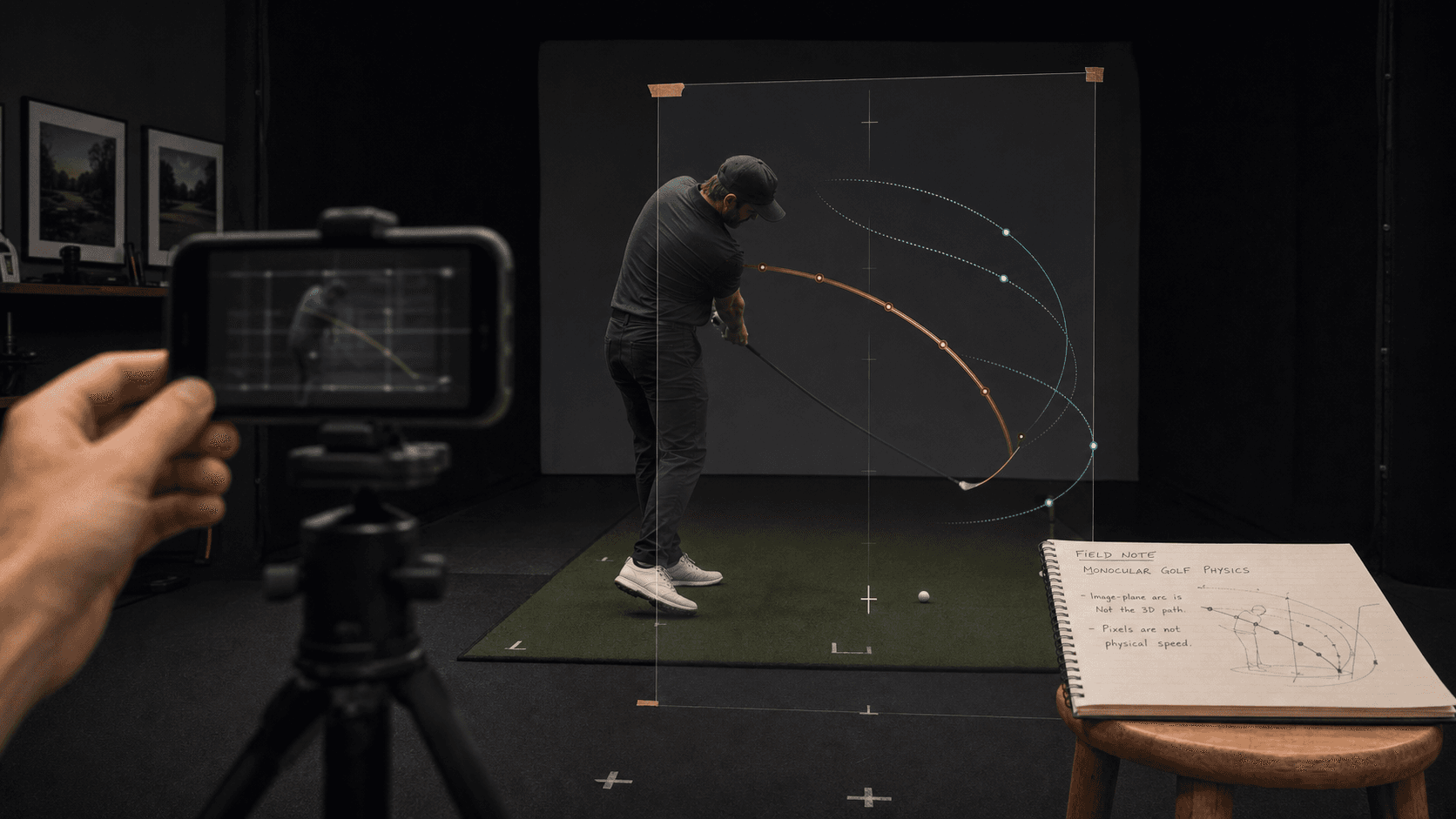
The physics boundary inside Swing Trainer: what monocular video can support, what calibration might unlock, and what still requires an external instrument.
Why the Swing Trainer RunPod gate stops at provenance, frozen splits, and real five-point labels—even with thousands of images already staged.
GitHub, Roboflow, Kaggle, and Hugging Face produced plenty of files. The hard part was refusing to call mismatched labels a dataset.
The club looked simple until motion blur, hands, clothing, and the edge of the frame turned one object into five different evidence problems.
The useful question is not “can Airtable automate this?” It is “what may this automation change without a person reviewing it?”
A pose system can see a body, a club detector can see a club, and a launch monitor can report a ball. Calling all three one measurement is how a golf product starts inventing facts.
The Range spike has a full instrument, a protocol, and a hard exit bar. It still has no iPhone measurement. That is not a gap in the story. It is the story.
We had no measured data and a simulator we needed to trust. A model-vs-model audit produced decision-grade findings anyway. The five moves, in order, and what this method can never tell you.
Most analysis sessions return confident prose. This one returned reproduction scripts, error bars, and a ranked list of experiments. The difference was a one-page brief written like a lab contract.
We had a tens-of-millions-of-throws simulator and an overnight Monte-Carlo run nearly three times larger. One Saturday-night physics audit showed the two models agree on every trajectory and disagree on half the outcomes — and every max-score throw was an artifact.
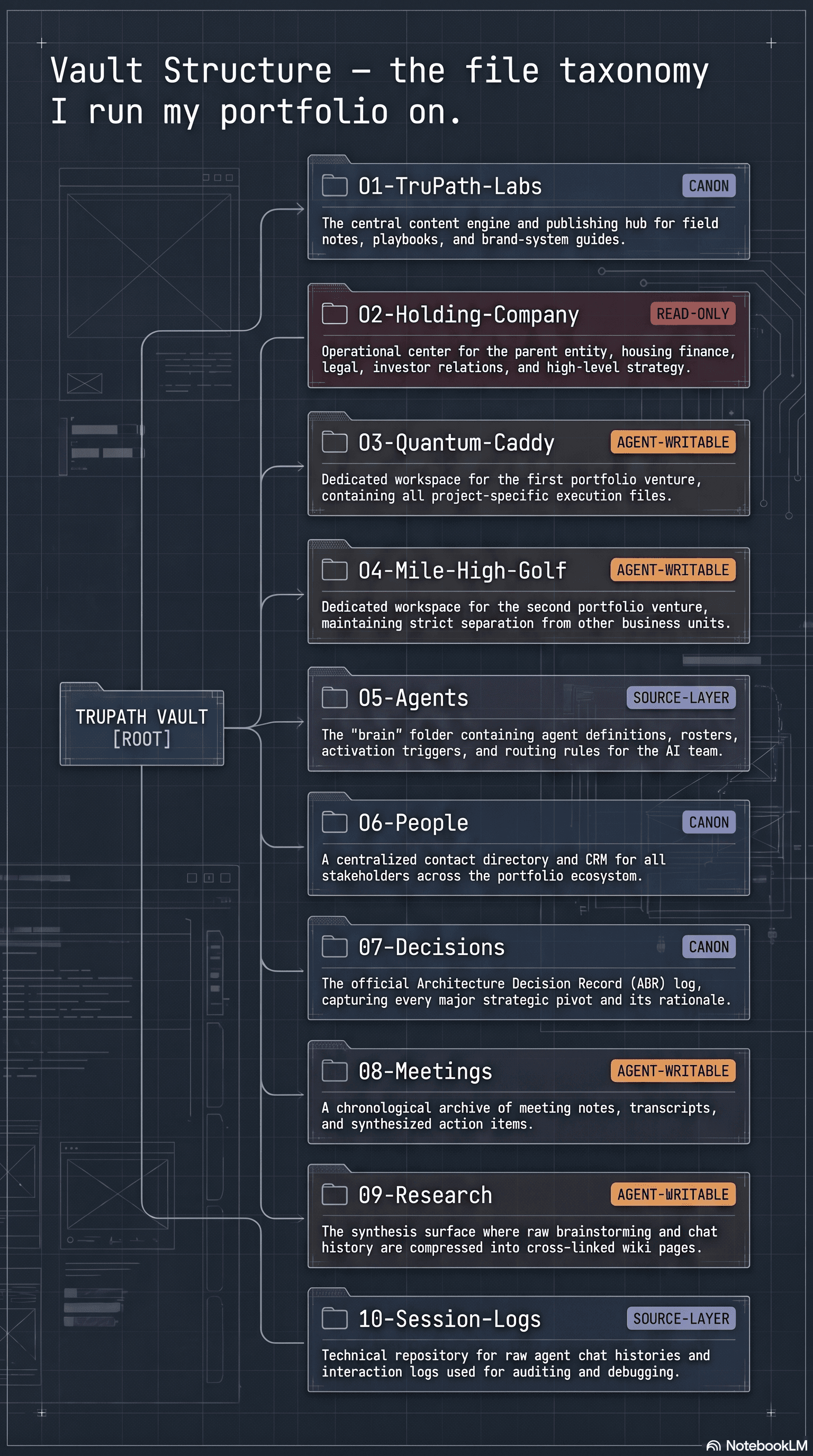
Why a markdown vault outperforms a Notion plus Asana plus Drive plus Slack stack when AI agents are part of the work. Battle-tested across QC, MHG, and Parley.
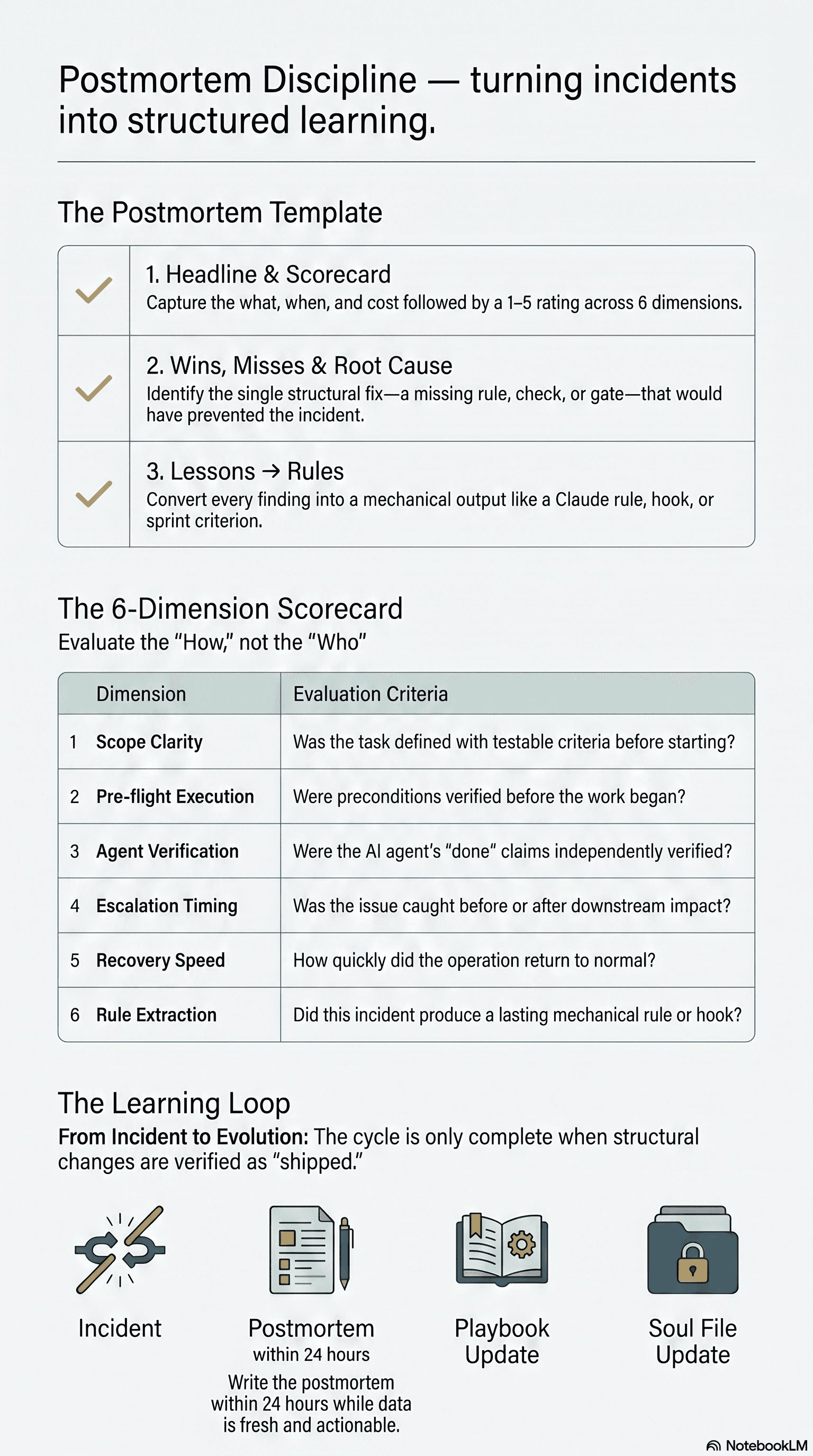
Twenty-six postmortems across QC and Parley in six weeks. The template, four worked examples, and the discipline that makes the same mistake stop happening twice.
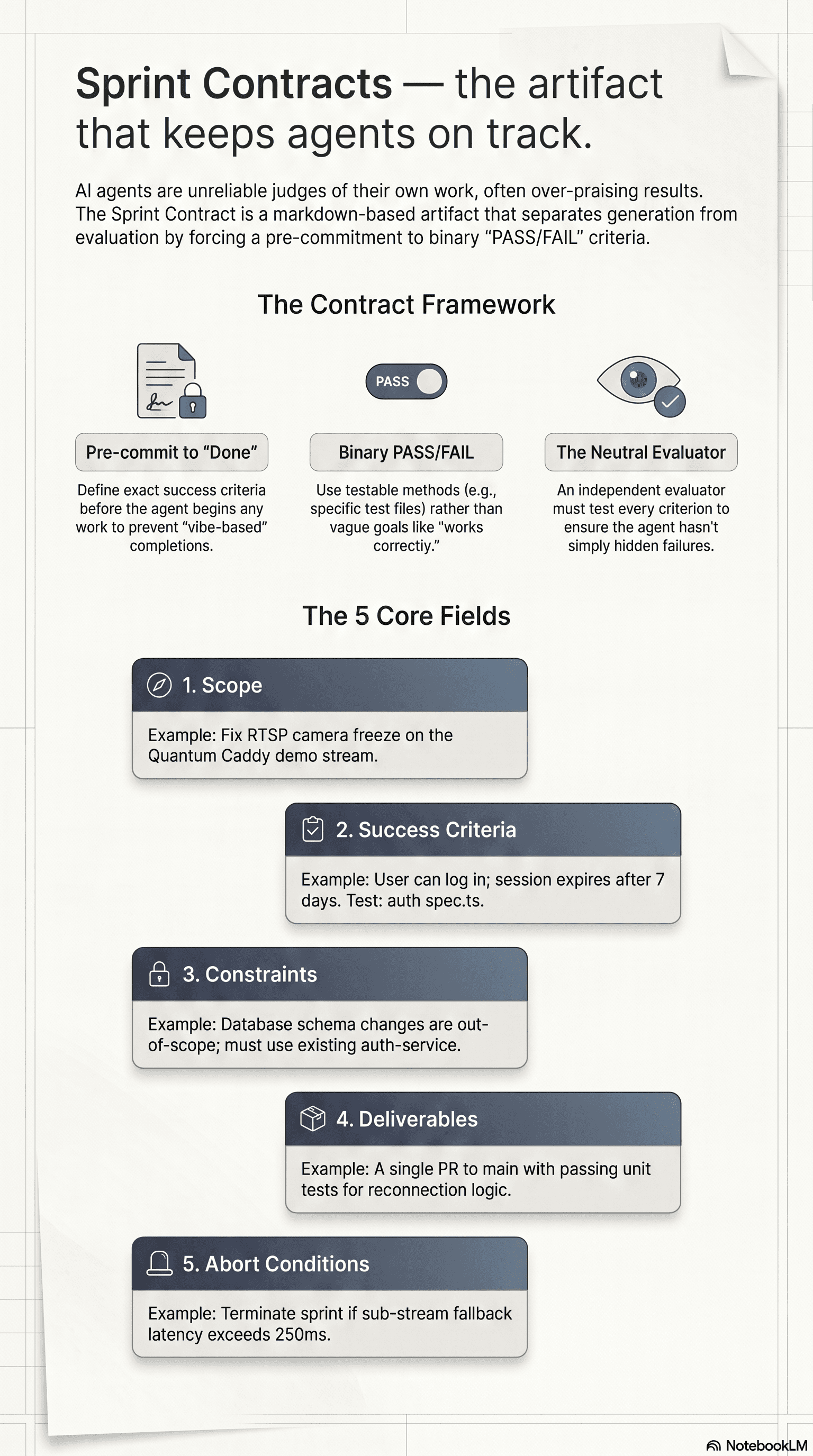
A 48-contract system born from agents that praised their own work. The fix wasn't a smarter model. It was structural.
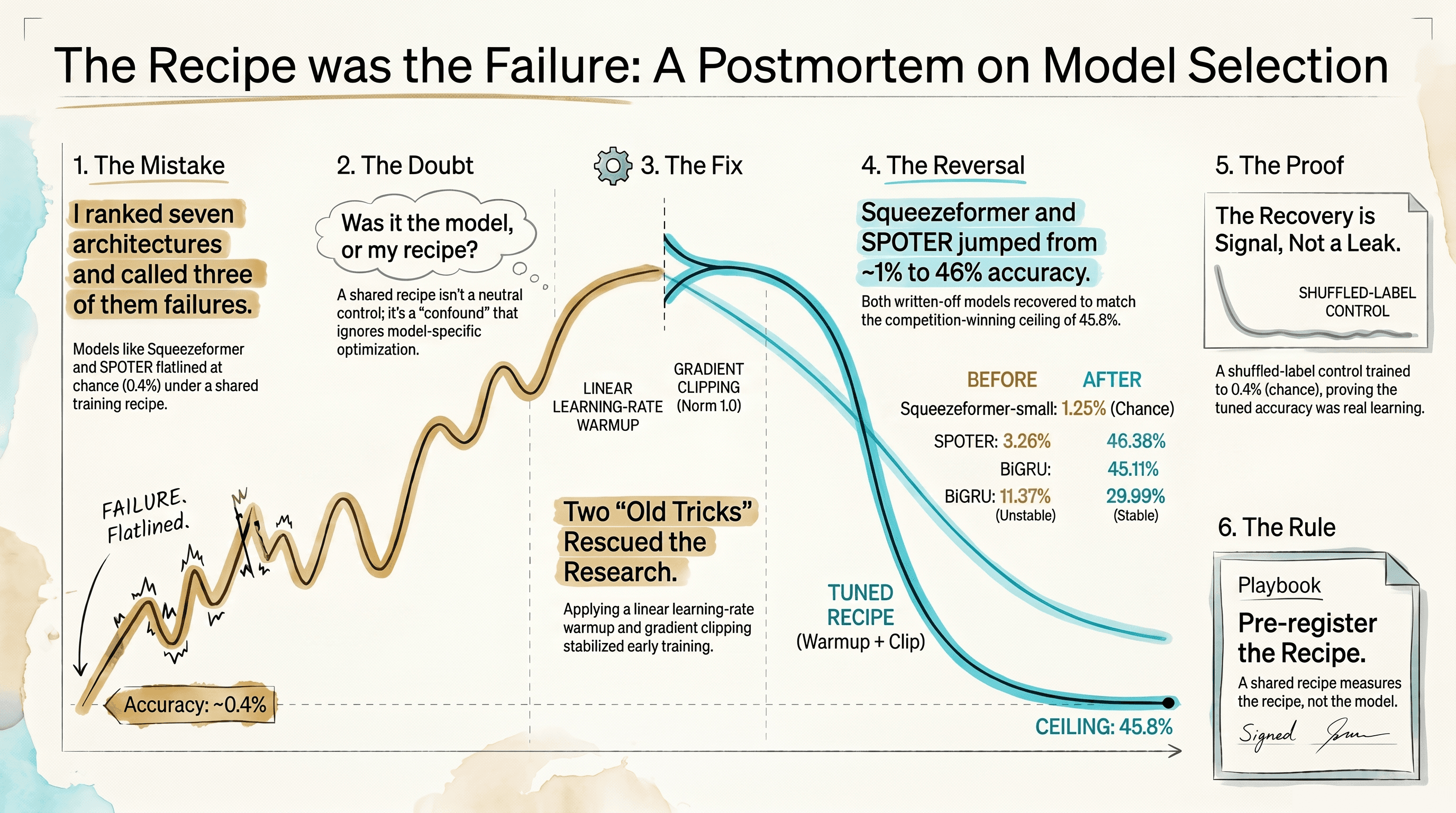
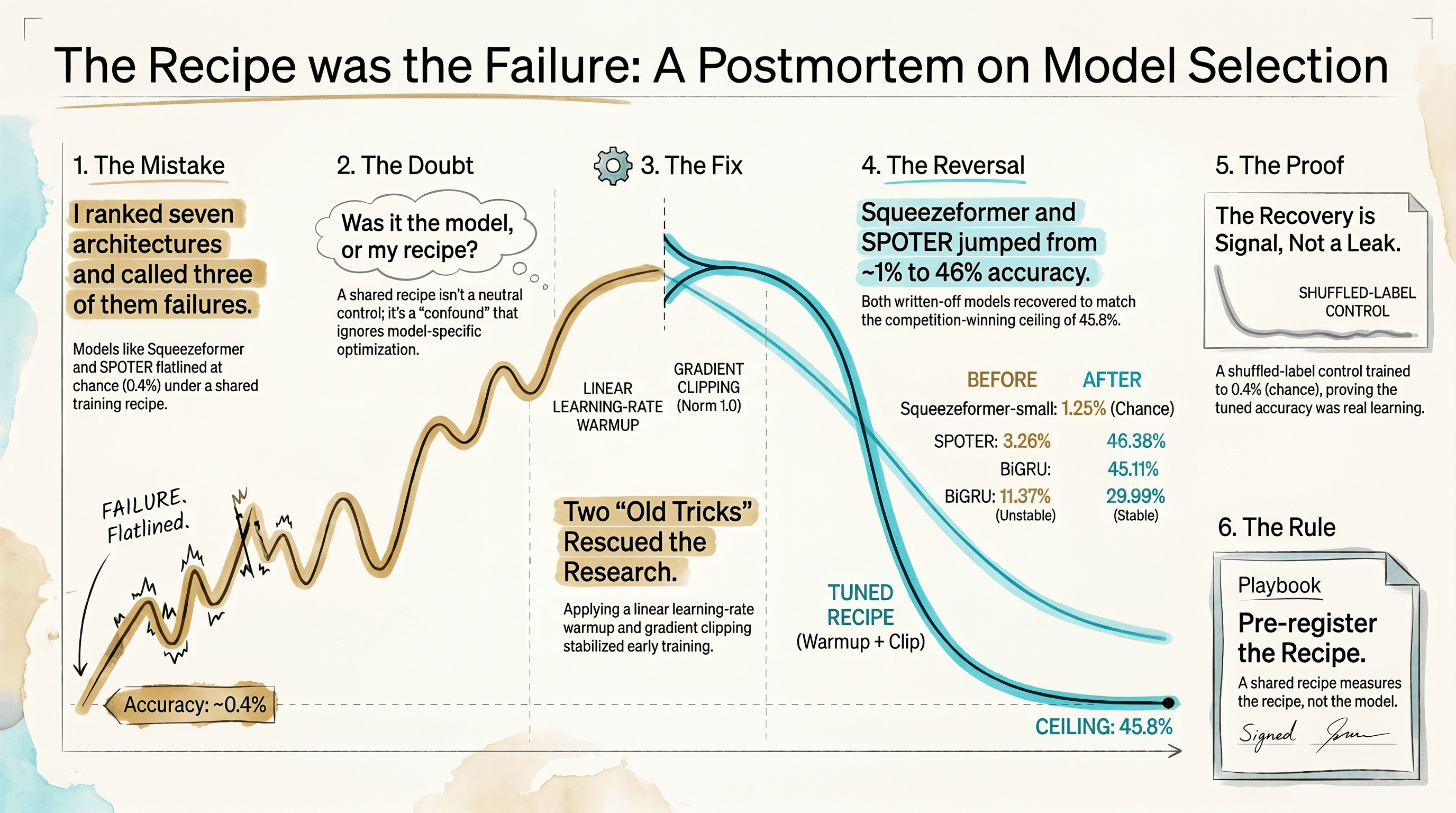
A Parley notebook reported three landmark architectures as broken on cross-signer ASL. A warmup and a gradient clip brought all three back, and two matched the best model. The ranking had measured my training recipe, not the models.
We trained seven landmark architectures three times each. Three of them worked on one seed and collapsed to near-random on the others. A single-seed comparison would have called two of those collapses a result.
Our sign model averages 42% across signers. That average hides a range from 26% to 64% — and the thing that decides where a person lands is not the signs they make, it is who they are.
Our best landmark-only sign model scores 45% on signers it has never seen. The field routinely reports numbers twice that high. The lower number is the honest one, and it is the one we publish.
I keep a running catalog of how hearing-led sign-language AI fails. It is not a list of other people's sins. It exists so Parley can catch itself the moment it starts to look like one of them.
Field notes from an operator running three ventures on Claude Code. Biweekly. No theory. Receipts only.
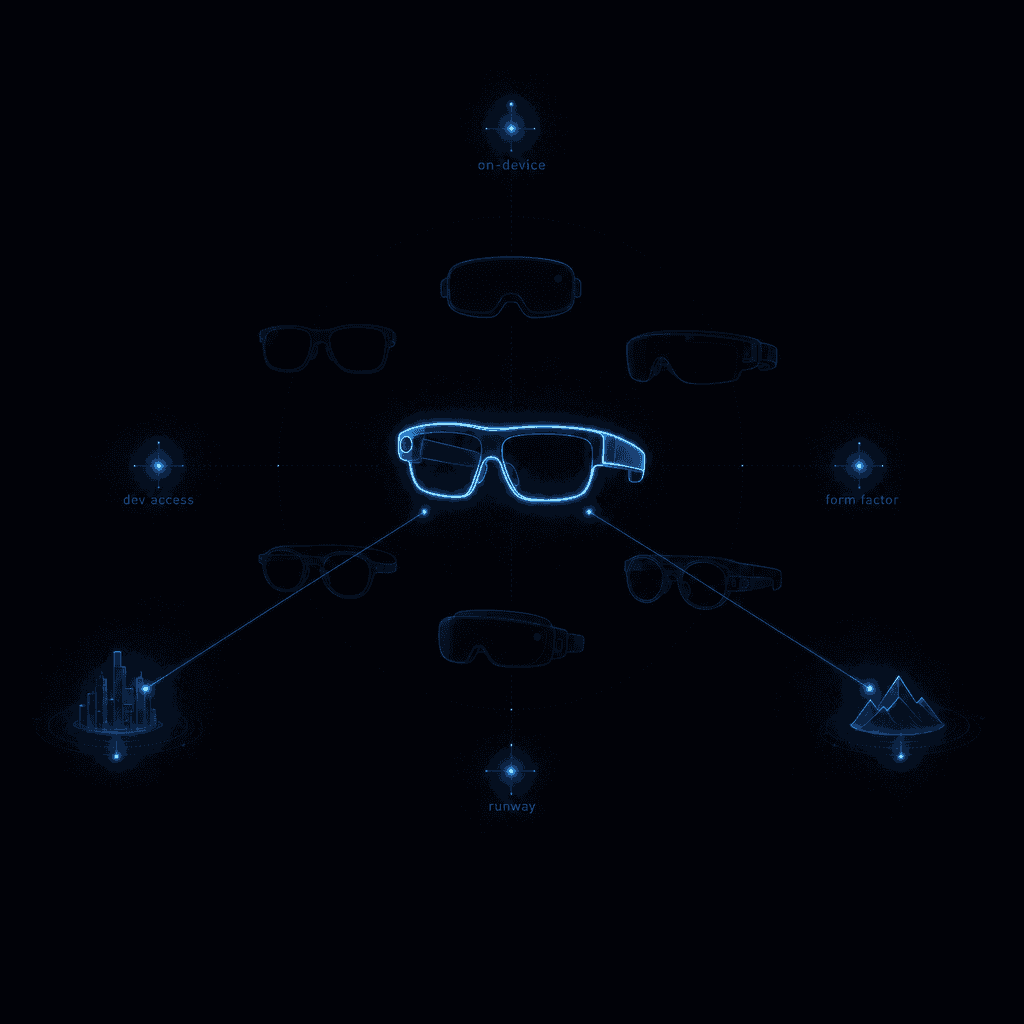
One AR-glasses decision for two ventures. The criteria that survived the cut, and why doing it once was the right move.
I started a Kaggle research project in Q2 2026 while running two startups. The decompression channel, the four open questions, and what makes it survive.
Claude is excellent at writing ESP32 firmware that compiles. It is not reliable at predicting what that firmware will do when the hardware is actually in front of you. Three incidents and the gate I added.
The answer isn't obvious. Systematic grid search gives you coverage. Random sampling gives you reality. You need both, and you need to know what each one is telling you.
A parametric physics engine, 8 parameters, two overnight runs. The database exists. Here's the honest accounting of what building it took and what we learned that we couldn't have learned any other way.
AR on physical objects is 80% coordinate system problems. Claude is great at helping you think through the geometry. You still have to understand it yourself.
Clean data beats model size. Every time. Don't upgrade the model until you've audited the labels.
LLMs in real-time hardware aren't ChatGPT. Latency budget is the constraint that changes everything.
Agents are unreliable judges of their own work. Here's how a structural fix — not a smarter model — stopped QC's CV pipeline from shipping silent failures.
Sixteen cookies that together are my whole Google account, dropped into a chat window — while building a security playbook. The how is the whole point.
Twelve-camera tracking rigs and Hawk-Eye are infrastructure at the top. The same capability now fits on a $249 board and a commodity camera. What that unlocks across every sport — and why the smartest way in is the narrowest one.
The routing model that holds up under load. Built for TruPath, tested on Mile High Golf, Quantum Caddy, and Parley.
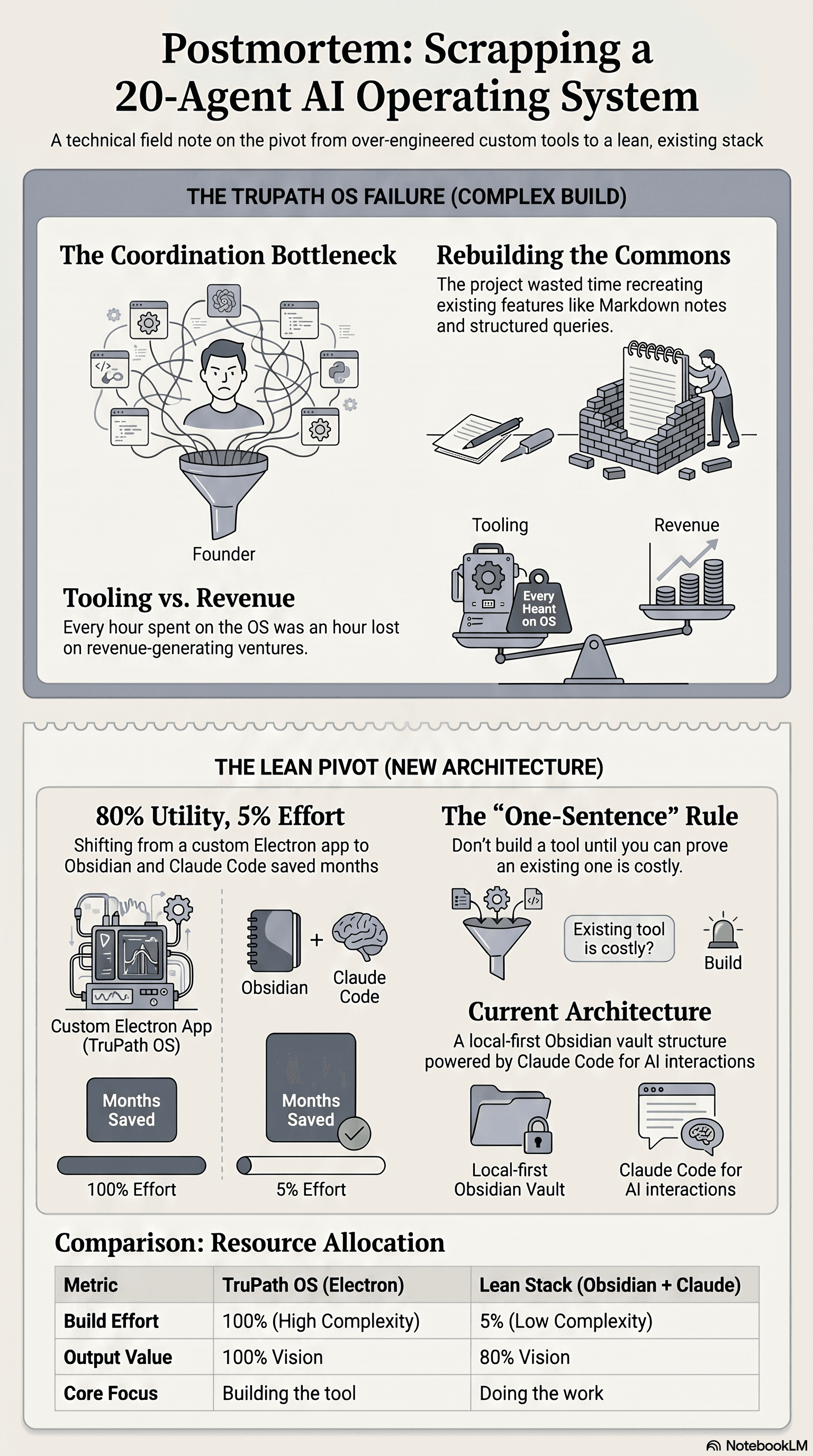
A 20-agent Electron app that didn't ship. The decision to throw it away. What I'd tell anyone tempted to build the same thing.
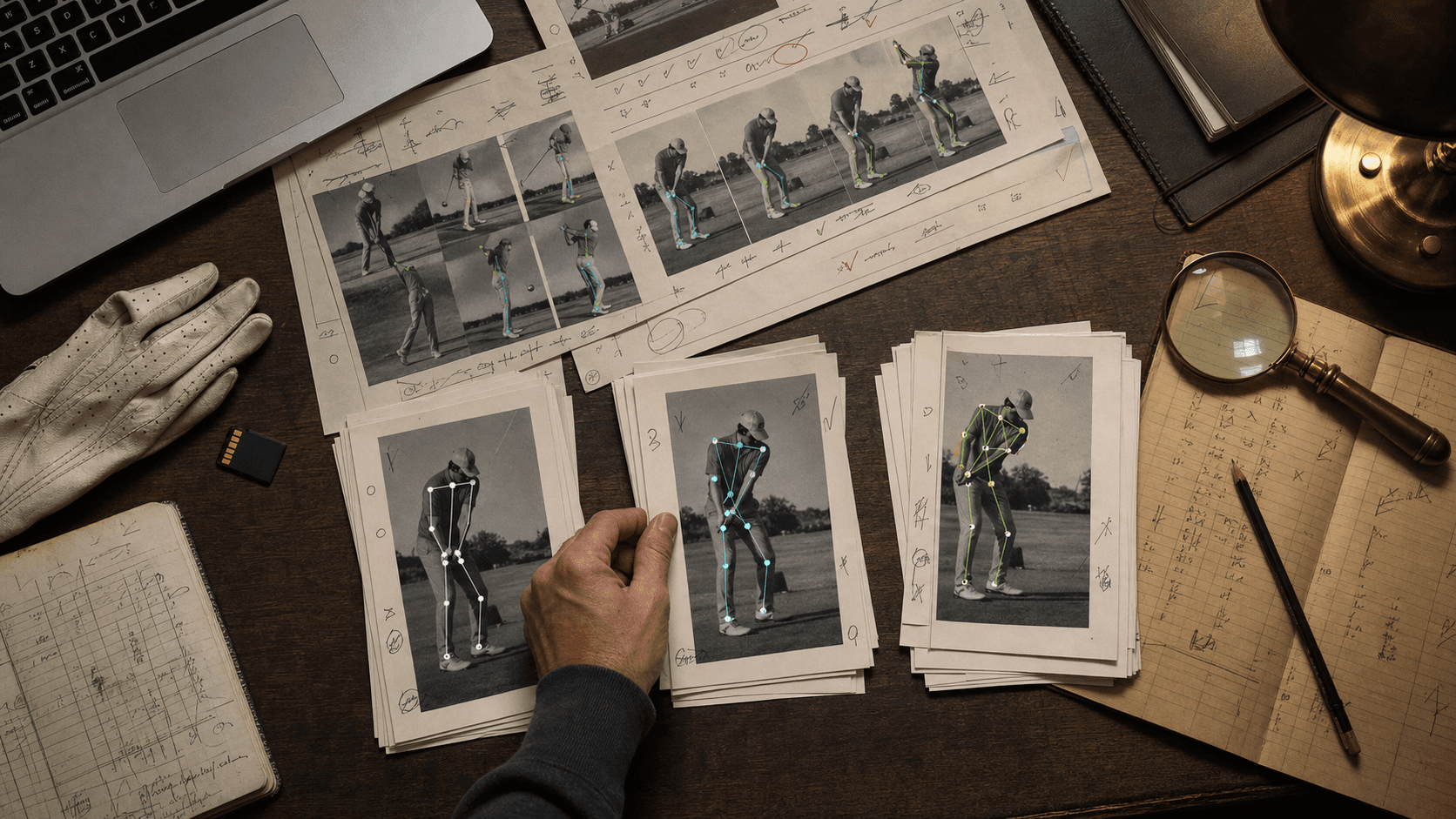
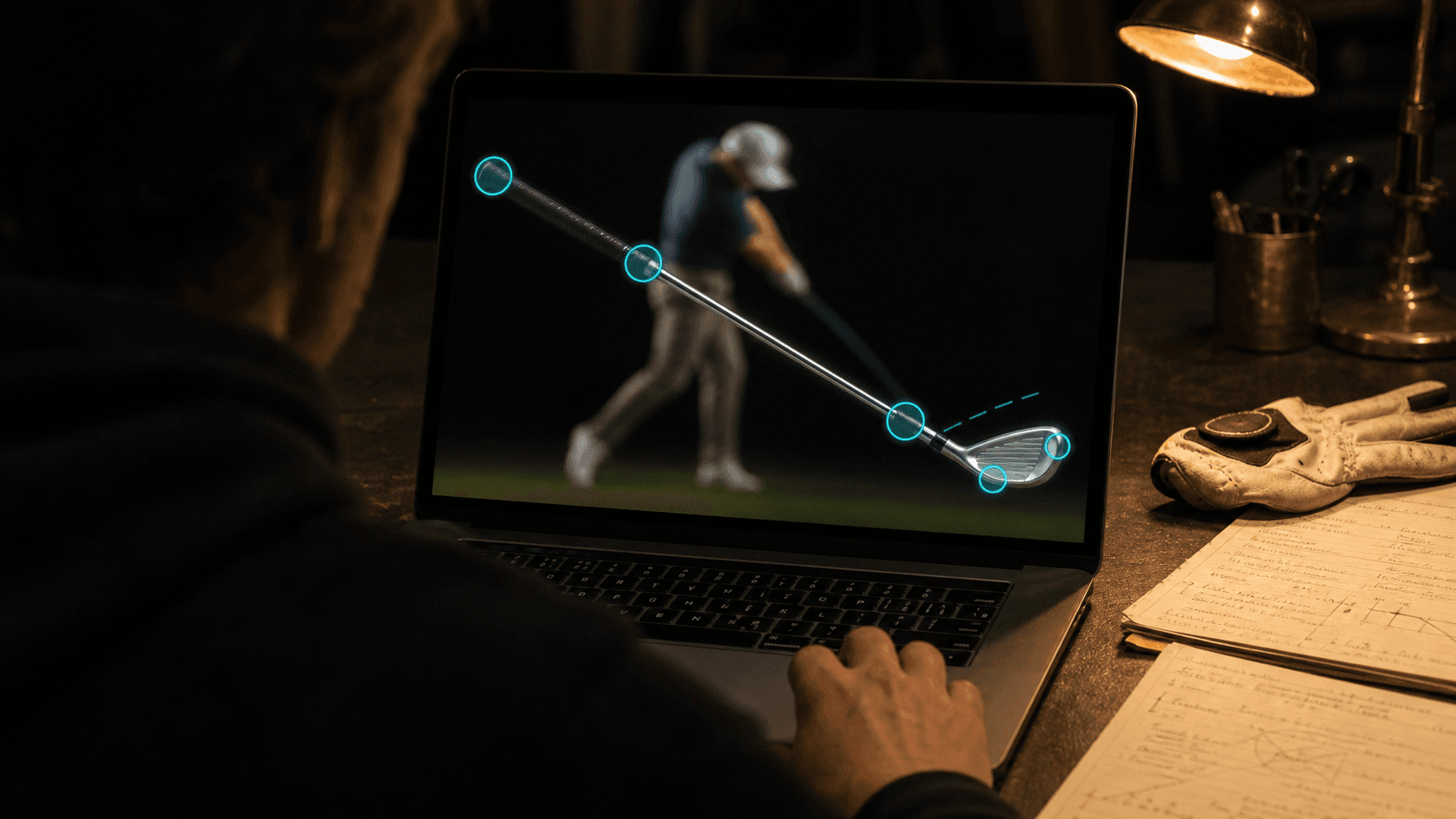
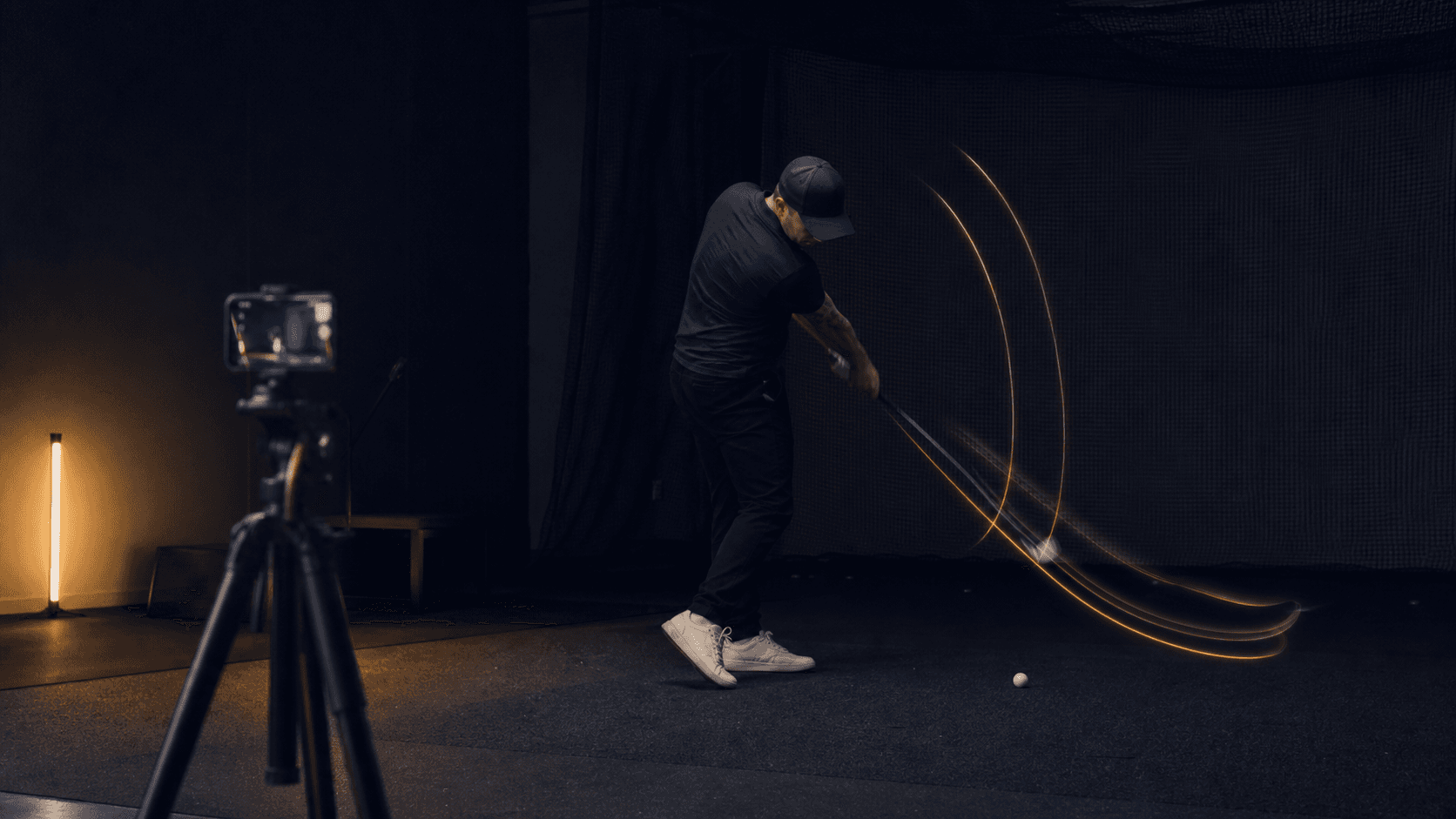
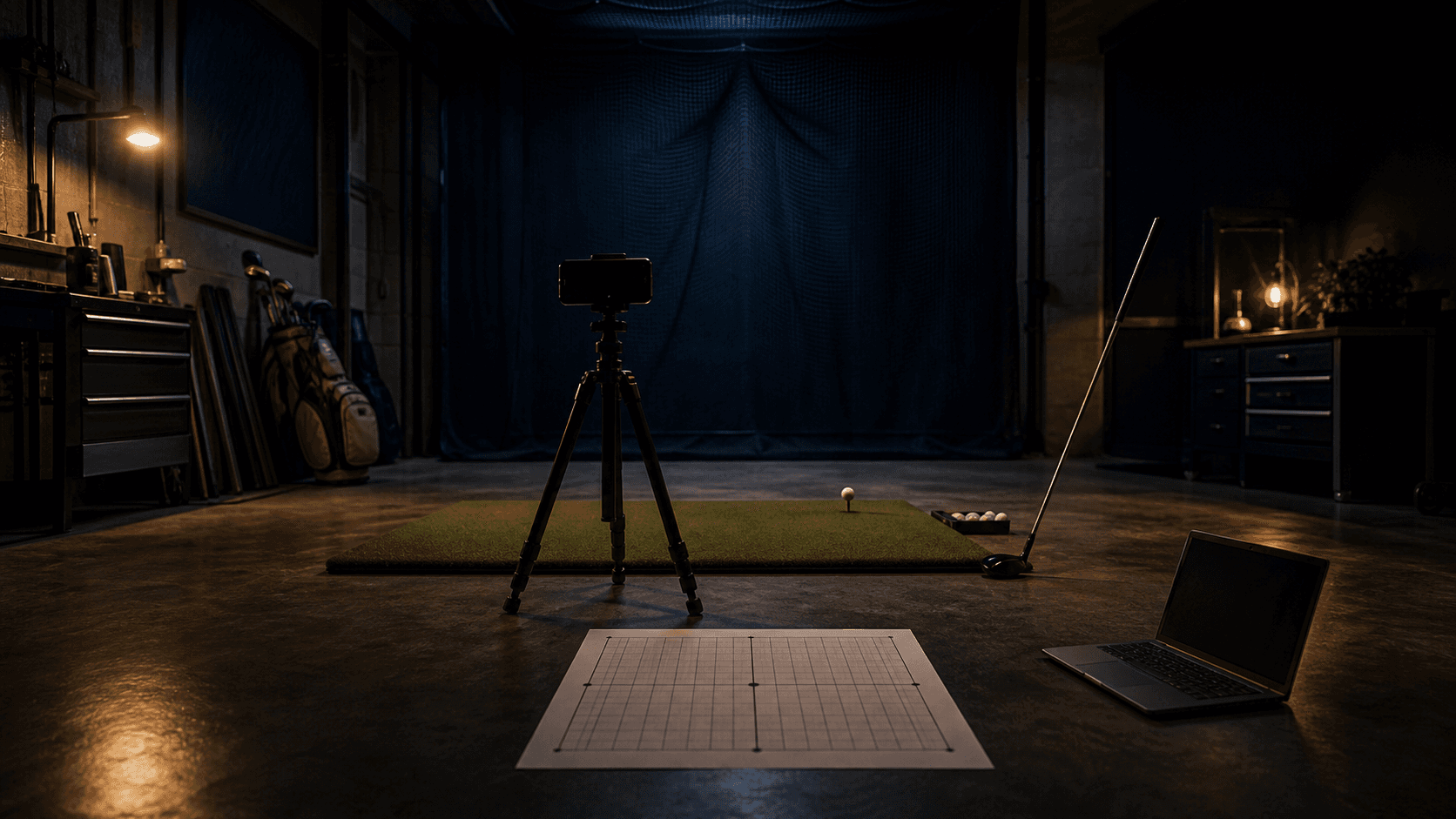
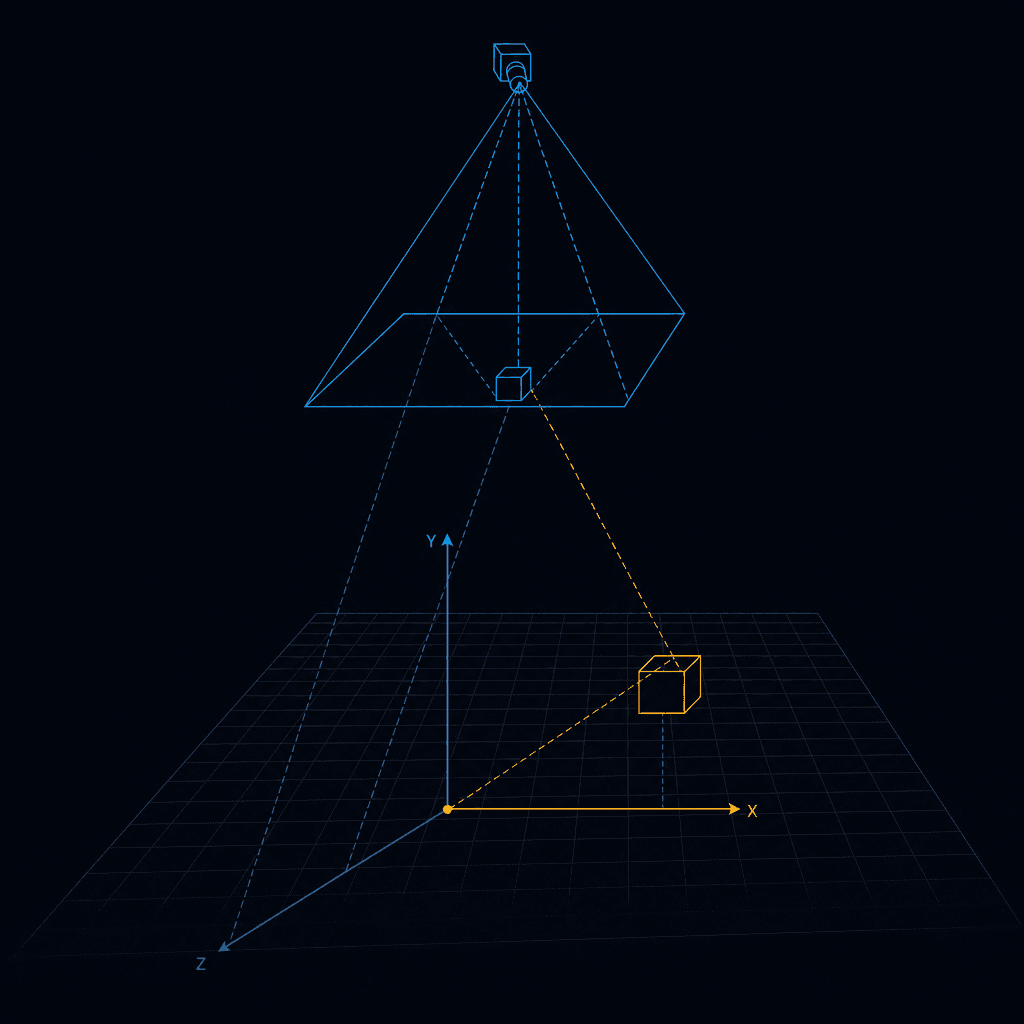
What a phone camera can tell us about a golf club—and where physical measurement needs more evidence.
Three sign-recognition models recovered when the training recipe changed. A closer look at what model comparisons actually measure.
An audit of sign recognition on unseen signers, with multiple seeds and explicit limits on what the results establish.
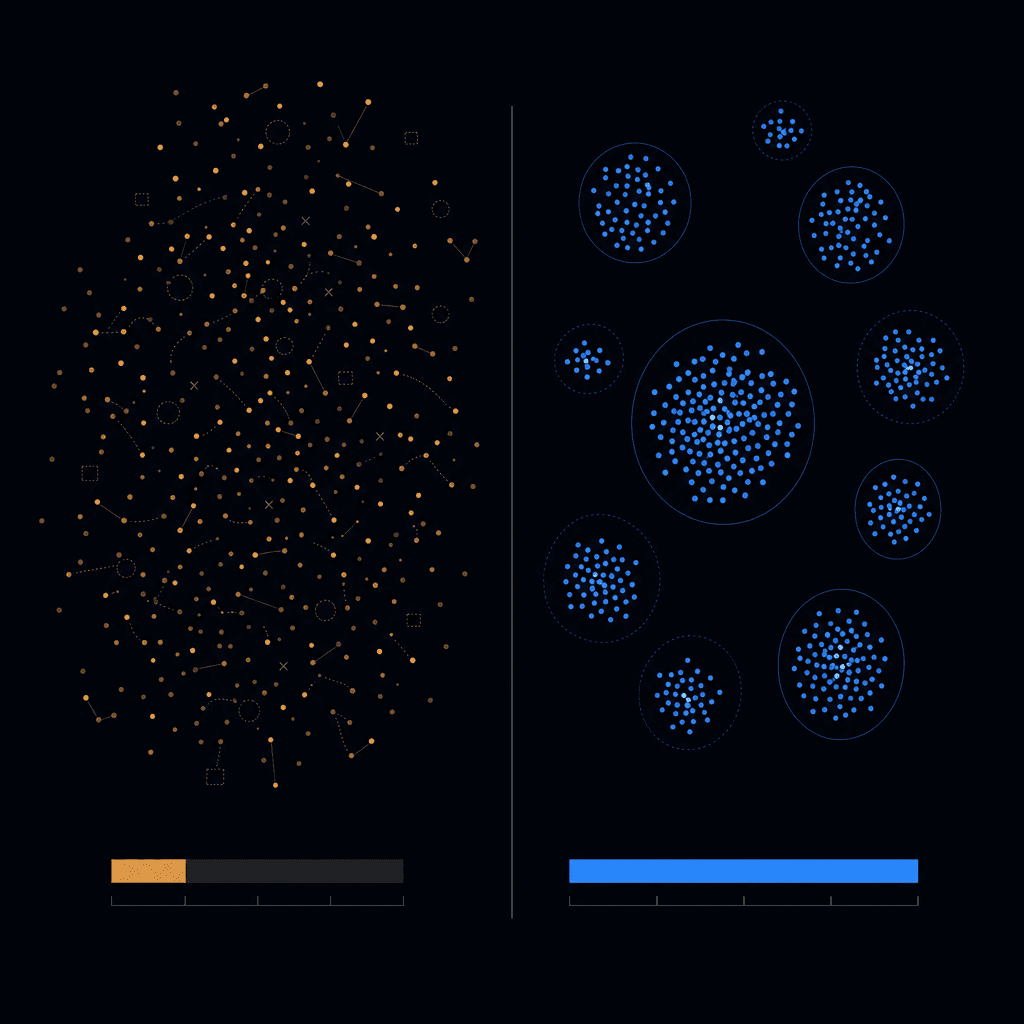
Why one average accuracy score can conceal very different experiences across 21 signers.
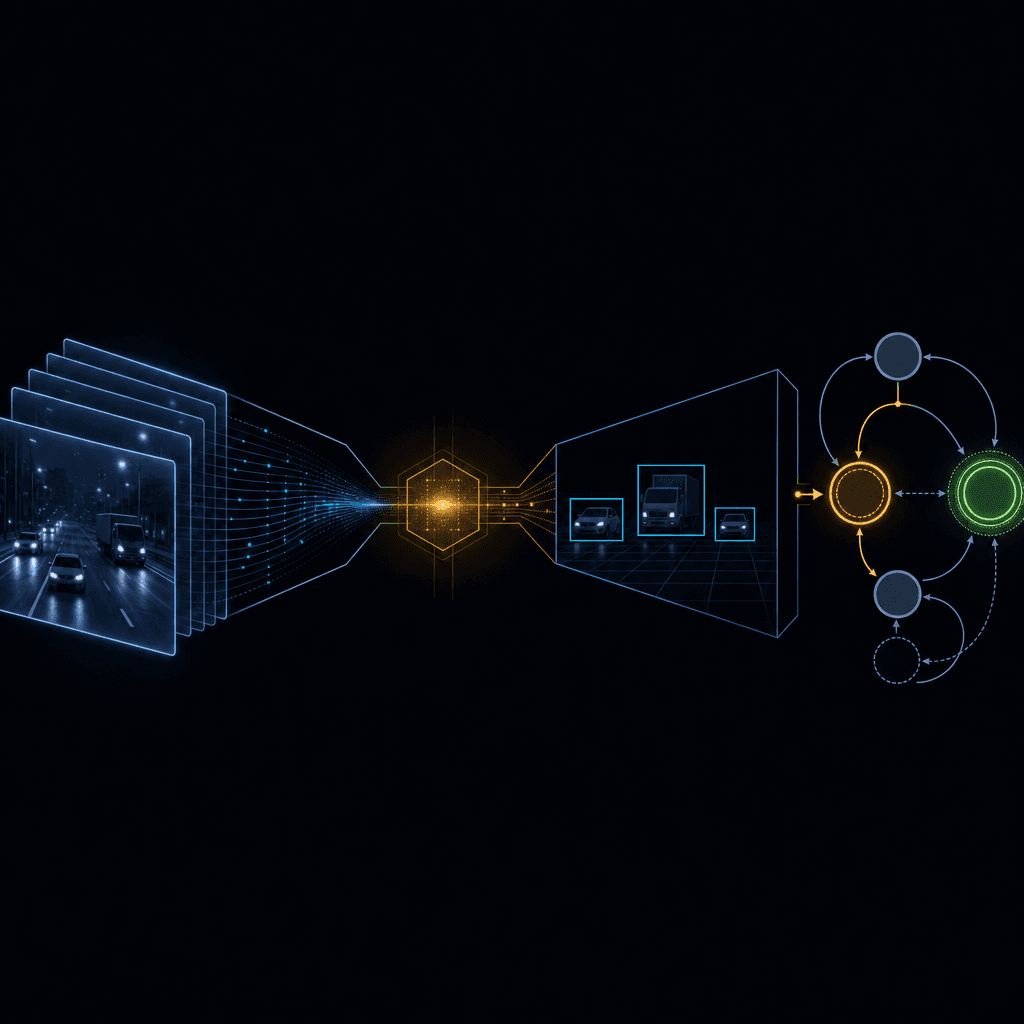
Real-time scoring of physical-object sports requires a computer vision pipeline that can simultaneously satisfy constraints from three domains: inference latency (sub-35ms end-to-end), detection reliability (>99% on custom domain data), and commercial licensing (Apache 2.0 for network-service deployments).
Generic computer vision model fine-tuning treats dataset construction as secondary to architecture selection.
Selecting the right Claude model tier for a given artifact type is the single highest-impact cost decision an operator makes in an agent-mediated workflow.
TPL-2026-005 established that sprint-contract discipline reduces overrun rates in solo-operator agent-mediated work (median overrun 78% → 12%).
Long agent sessions (those exceeding two hours of continuous operation) accumulate a characteristic failure pattern we term brief-drift: the gradual divergence of agent behavior from its original operator-specified constraints, without any single identifiable failure event.
We report a case study (n=1 task, three agent harnesses, single operator) comparing Claude Code, OpenAI Codex CLI, and Cursor on the construction of a multi-stage computer-vision evaluation pipeline.
Computer vision systems shipped to production frequently report misleading evaluation metrics due to undetected overlap between training and held-out eval data.
Modern long-context language models (1M-token windows) make it tempting to load an entire reference corpus and draft against it; the implicit premise is that more context is always better when accuracy matters.
Operators increasingly compose work as a chain of specialized LLM agents: a routing agent dispatches to a planning agent which delegates to a coding agent which calls a review agent.
Real-time computer vision systems that must operate under latency constraints face a tension between detection accuracy and inference speed.
Parley is an AR-glasses product for bidirectional deaf/hearing conversation; the research arm is in Phase-0/1 Kaggle-published exploration and the consumer hardware (Everysight Maverick AI) has not yet shipped.
LLM-assisted provisional patent drafting promises faster cycle time at the inventor-startup phase, but the question for operators is how much of the LLM draft survives attorney review.
Plan mode, the agent-harness convention of producing and approving a written implementation plan before any code is written, is widely advocated as a discipline for non-trivial coding work, but its quantitative effect on time-to-merge has rarely been measured outside anecdote.
Blameless postmortems are widely advocated as a structural-learning discipline, but their effectiveness depends on whether action items reach the mechanical layer (gates, hooks, contract criteria) rather than remaining as discipline-only commitments.
Pre-launch entertainment-venue site searches are constrained by an unusual cocktail of filters: zoning compatibility, square-footage and ceiling-height fit, ABC-license geography (in NC, alcohol licensing depends on municipal jurisdiction and proximity to schools/churches), and proximity to demand.
Solo operators running agent-mediated engineering work routinely overrun sprint estimates by 50-200% of the originally scoped time.
Sub-agent invocation (spawning a child agent to handle a bounded subtask) is increasingly common in solo-operator AI workflows, yet the conditions under which it produces a net benefit remain poorly characterized.
Operators running agent-mediated engineering workflows routinely lack visibility into the per-artifact token cost of shipped work, treating the monthly API bill as a single aggregate figure.
Pre-work contracts co-signed by builder and evaluator. Eliminates close-enough shipping. 48 contracts shipped.
Blameless postmortems with structural action items. The discipline that makes the same mistake stop happening twice.
The annotated skeleton every Claude Code operator needs before their second week. Three worked examples, one framing essay, and the advice everyone skips: what NOT to put in.
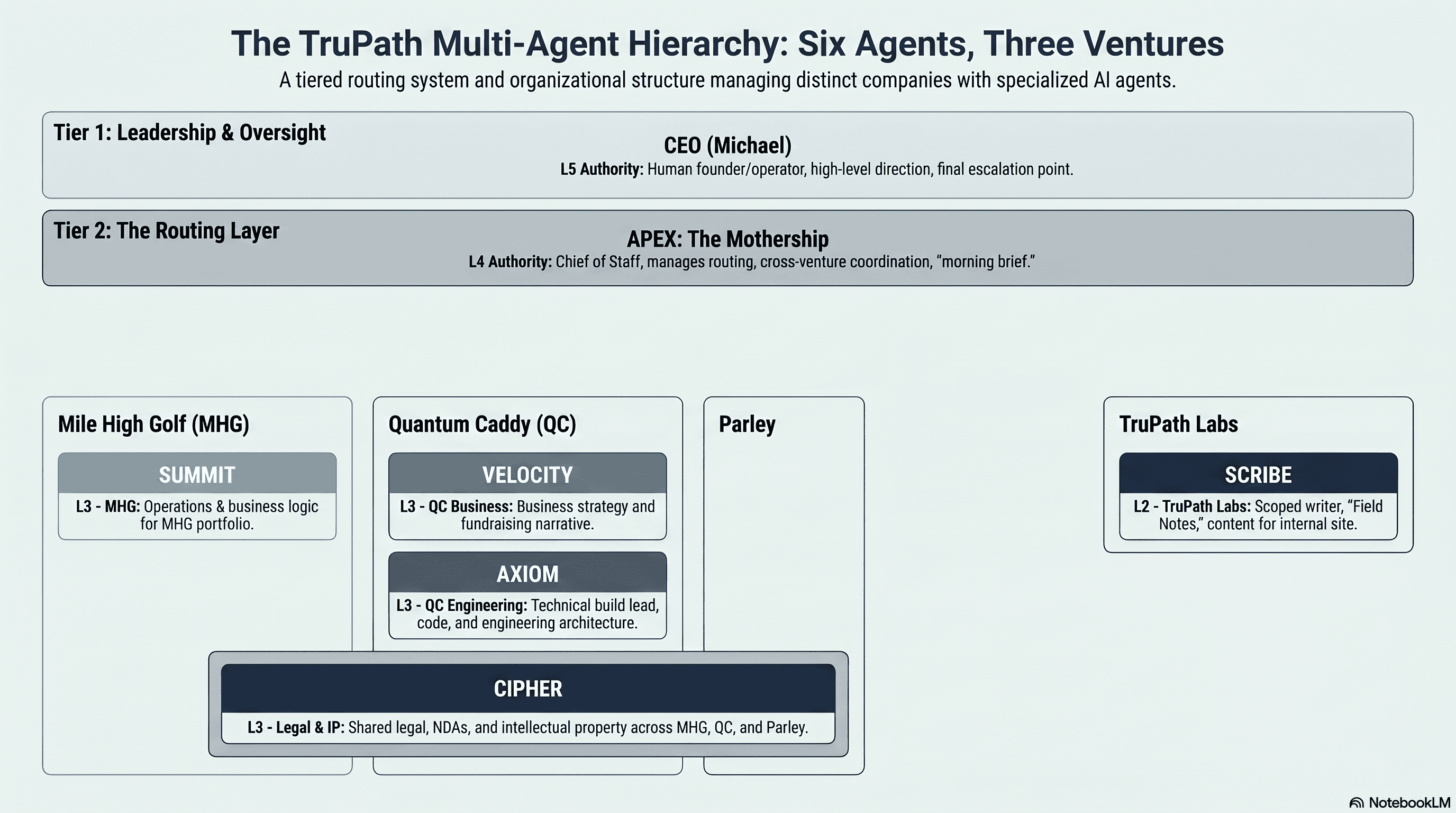
The chief-of-staff + N-specialists scaffold. Routing table, authority levels, and an escalation protocol — the piece everyone skips until it bites them.
13-folder Obsidian template that scales across multiple ventures. The operating system around your AI agents.
The MEMORY.md index pattern. Four memory types, a staleness protocol, and the one rule that stops memory systems from becoming archives.
Authority levels, the mothership pattern, generation/evaluation separation. The structural decisions most multi-agent setups skip until they break.
Context window hygiene. What belongs in CLAUDE.md vs memory vs code. The compaction strategy that keeps sessions fast after month 3.
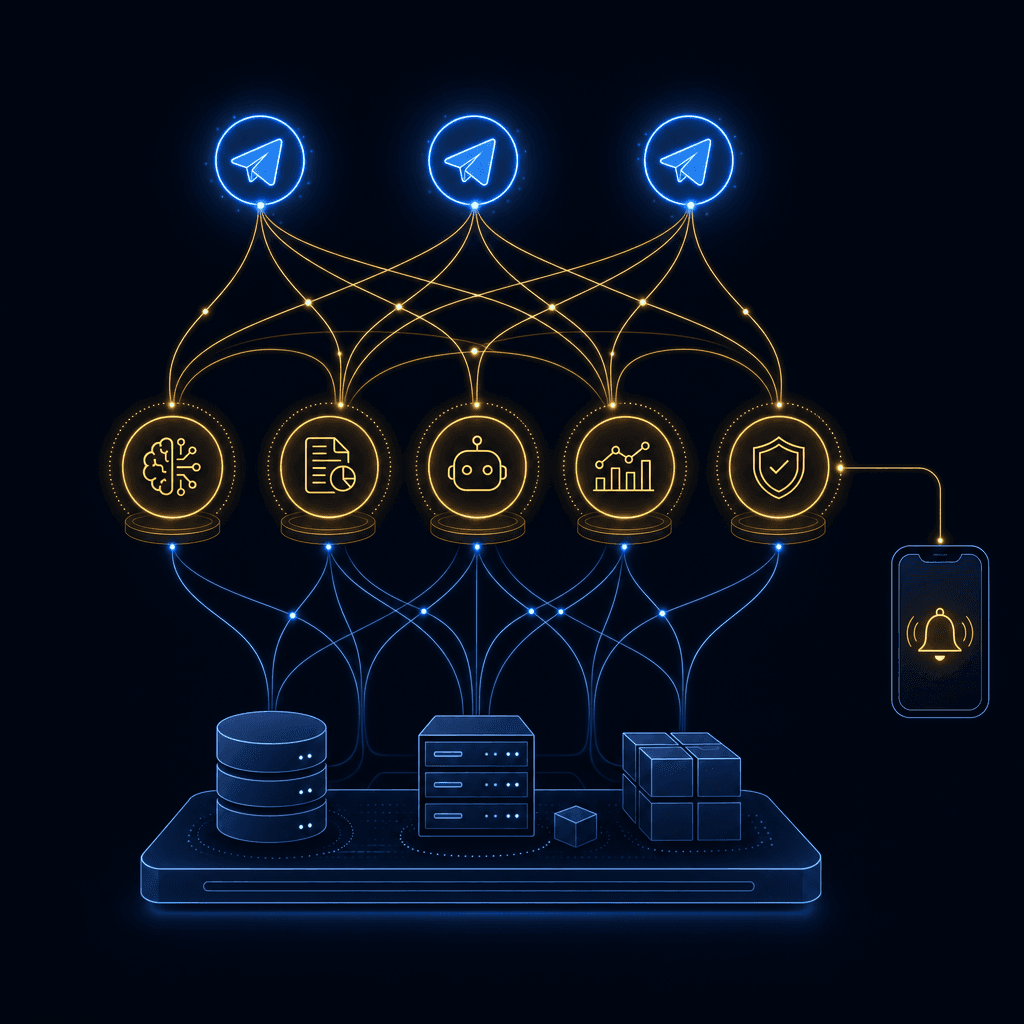
The assembled picture — how agents, hooks, memory, sprint contracts, kanban, and the Telegram bridge connect into a single operating system for a multi-venture portfolio.
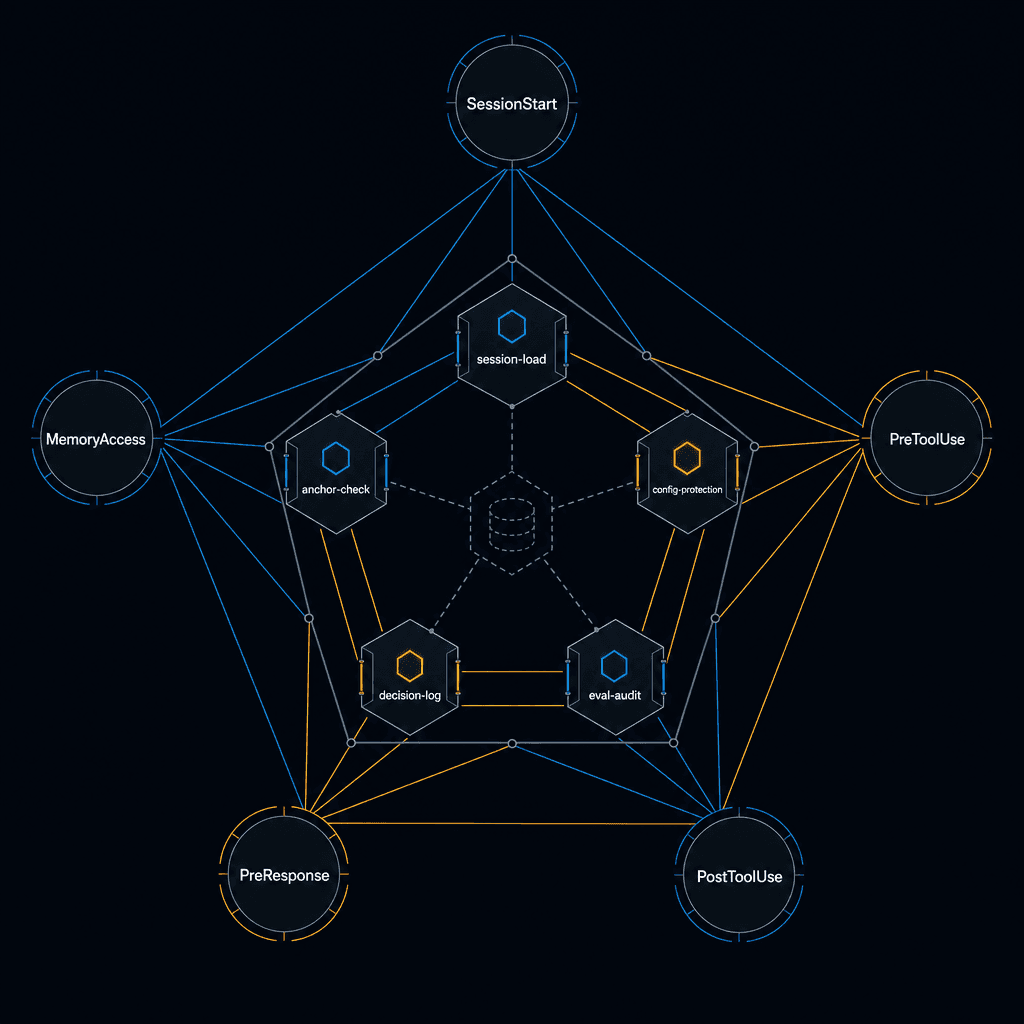
Five production-tested Claude Code hooks — session loading, config protection, eval auditing, decision logging, anchor-check cadence. The mechanical enforcement layer your CLAUDE.md rules have been promising.
Five gates that keep a fast-moving AI shop from leaking its secrets, its source license, or its patent rights. Written the day I pasted my session tokens into a chat.
Don't build computer vision for sports. Build it for one sport — the one with the most constrained geometry and the simplest rules — get it referee-grade, then generalize. Three filters and the trust-bar framework.
A small operator can run a parallel research project alongside two startups without it cannibalizing them — but only under specific conditions, and Parley is the worked example.
Four discipline levers that let a side research arm survive contact with the main work — scope rails, monthly cadence, public publishing, and decision logs, with kill criteria written down in advance.
The discipline behind Parley's notebooks: question-first contracts, signer-holdout splits, multi-seed floors, failure-modes-first, and a Deaf-community honesty checklist. The rules that make a 45% you can trust beat an 85% you can't.
A shared training recipe across architectures does not control for the recipe. It bakes it into the result and disguises it as an architecture finding. Four cheap controls keep the ranking honest.
Operators accumulate load-bearing assets that were built under deadline and never adversarially examined. A one-evening AI falsification session is the cheapest insurance that exists, and the discipline is scheduling it before the asset feeds a decision.
An agent audit of a Quantum Caddy simulator ran five phases in a fixed order — reproduce the as-built model, rebuild it from first principles, map the divergence, budget the uncertainty, ship a ranked measurement list. What each phase produced, what breaks it, and how to run it on a demand model or a game economy.
The instruction file your AI reads on every session. What goes in it, what doesn't.
Define a specialist. Scope, triggers, authority, tools. One file, one role.
What a skill is, when to write your own, the bootstrap pattern.
Five fields that turn fuzzy asks into concrete renders.
Voice, structure, source-pinning. The difference between a brief and a fight.
Inputs → research → structured output. The reporting loop in plain language.
Project scaffold, dev server, iterate-by-screenshot. End-to-end.
Specific language, used at specific moments, that produces outsized improvement.
Three models, three jobs. The decision rule that saves $300/month.
When to drop into Plan, how to read its output, when to exit.
The trust-but-verify reflex. Spot fabricated results before they ship.
The 6 slash commands worth memorizing on day one.
Long jobs offloaded right; the failure modes nobody warns about.
The 4-pass diff review that catches what tests miss.
The 20-minute setup, the gotchas, when MCP beats writing a tool.
Build CIPHER (legal/IP) from scratch in one sitting.
Allow vs ask vs deny — the model that prevents 90% of "wait I didn't mean that" moments.
The diagnostic that catches every kind of "finished but not really." One prompt, three patterns, one habit.
The substitution test for structural causes. Action items that ship. The close-out protocol.
MEMORY.md as an index. Four memory types. The single rule that prevents bloat.
SessionStart, PreToolUse, PostToolUse. Why hooks beat "agents must remember to."
How to add work to a contract without losing rigor. When a re-sign is required.
Communication protocols, delegation templates, authority boundaries.
Numbered folders. Single source of truth per concern. Why a markdown vault beats a SaaS stack.
Karpathy-style ingest. Page format, index pattern, lint cadence.
Frontmatter, options table, revisit conditions. Future-you reads this.
Why six is right and fourteen is too many. Authority levels, trigger words, escalation.
The contract format with three real examples — QC firmware, Parley research, MHG site search.
When worktrees beat single-branch. The merge etiquette nobody taught you.
The spend dashboard, the kill-switch, the weekly review that prevents bill shock.
The 4-question test before you spawn a subagent.
TDD with an LLM that wants to skip it. The 3 enforcement patterns that work.
Plan mode for senior operators. When to skip Plan, when to triple it, the exit ritual.
The review prompt that catches what humans miss. The escalation rules.
The 7-section postmortem template + how to make agents write it for you.
Why decision logs beat status meetings. Format, cadence, retrieval pattern.
Pitch without an NDA, publish a write-up, prompt a consumer LLM — each can be a disclosure. The grace period, the foreign-filing trap, and what to check before anything goes public.
Permissive vs strong-copyleft, the AGPL SaaS loophole, and why a single library can turn your whole codebase open. The license check that belongs in your workflow.
The hardest version of a CV problem is an open field; the easiest is fixed geometry you can pin with homography. How to choose the narrow, solvable entry point — then generalize.
A parallel technical project that restores focus to the main work instead of competing for it. How to tell if yours qualifies.
Picking a topic close enough to compound with the main work, far enough to feel like rest.
Declare in writing, before starting, that the arm will not become a product. The declaration is what makes it survive.
Three conditions under which a second project is a distraction, not an arm. Honest about when I would have said no.
Naming what you commit to NOT building, in writing, before starting. The Parley scope-rails block as the worked example.
Why monthly beats weekly and quarterly for a side project. The forcing function logic.
Using a public platform as the forcing function instead of a private repo. Why public is the discipline lever.
The advance commitments that make starting the arm psychologically safe. The three triggers that put it on ice.
Where to start when there's no CLAUDE.md, no contracts, no postmortems, and the deadline was yesterday.
When 6 agents are right, when 1 is enough, when more agents make you slower. With numbers.
Cache health ratios. Tokens per shipped artifact. Idle days vs. uncommitted-output days.
How the three disciplines compound. Where each catches the others' failures.
The amendment protocol at scale. Refusing 'while we're in there' work. Without becoming an obstacle.
Cross-venture routing, shared agents, isolation rules. Running 3+ ventures from one operator.
Pod lifecycle decoupling. Exit-path audits. Watchdog cadences. Don't lose a 14-hour run.
The signs that your session is gradually losing accuracy. Restart hygiene that compounds.
When to build vs use existing. The protocol in plain language. The failure modes that cost teams two weeks each.
Beyond chief-of-staff routing: parallel-spawn, gather-then-merge, race-then-cancel. When each fires and when each breaks.
When an agent misbehaves in prod: the diagnostic ladder. Five rungs from "claim says done but isn't" through context drift, tool failures, schema mismatches, upstream model regressions.
The 5-section agent file pattern. Two case studies from the TruPath team.
How to ship Phase-0 R&D against unreleased hardware (Maverick AI).
The on-call playbook: paging, evidence collection, triage ladder, and postmortem-on-rails.
The audit-trail format regulators (and your future self) will thank you for.
Hooks + statusline + a kill-switch script. The whole stack.
The 12-document SBA 7(a) packet, agent-assisted, with rework rate measured.
Building an ASR eval set from scratch when there's no public benchmark.
Two models that disagree tell you almost nothing until you can regenerate the one you are auditing. Reproduction converts ambiguous divergence into a named mechanism, and it finds defects before the correction work even starts.
Two models agreed on every trajectory to a hundredth of a foot and still flipped 48.3 percent of scored outcomes. Simulated states degrade gracefully; simulated labels fail all at once, right where the outcomes get interesting.
Friction swung our prediction 14.9 inches of a roughly 15-inch budget, three times the runner-up, and mass was noise. A one-afternoon sensitivity sweep turned the measurement wishlist into a spending plan.
The audit put ±2 inches of uncertainty on our flight prediction and ±15 on everything after contact. The failure lived in one stage, and a per-stage budget is what kept us from throwing away the stage that worked.
The QC physics audit produced runnable models, a dozen figures, and a stack of CSVs. The artifact that mattered three weeks later was none of them — it was a short brief written for the engineers who have to act on the findings.
We assumed spin mattered the way it matters on a golf ball. Priced in the same units, the borrowed mechanism was worth 3 inches and the real one 23, a 7× miss in which mechanism matters, caught in one afternoon before it spent our measurement budget.