Field noteSimulationPattern
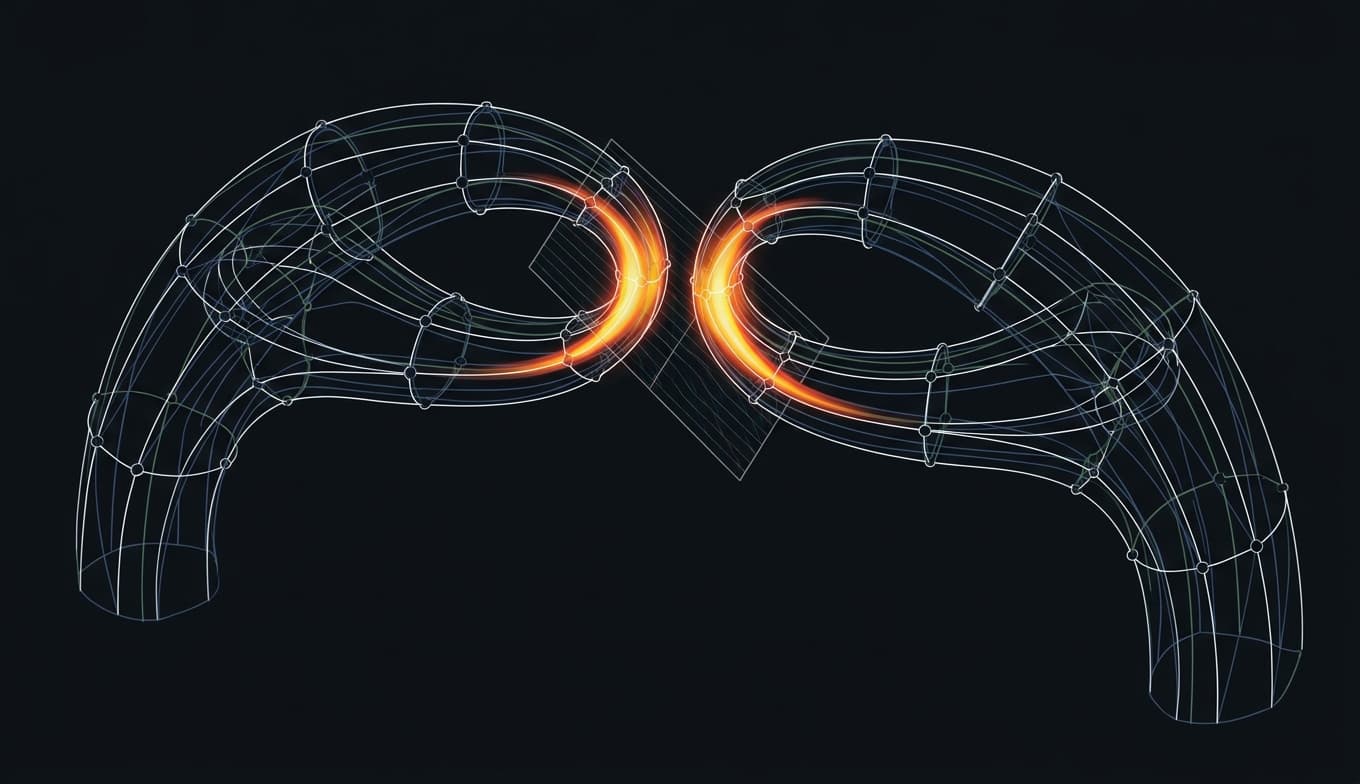
We had no measured data and a simulator we needed to trust. A model-vs-model audit produced decision-grade findings anyway. The five moves, in order, and what this method can never tell you.
Field noteSimulationTeardown
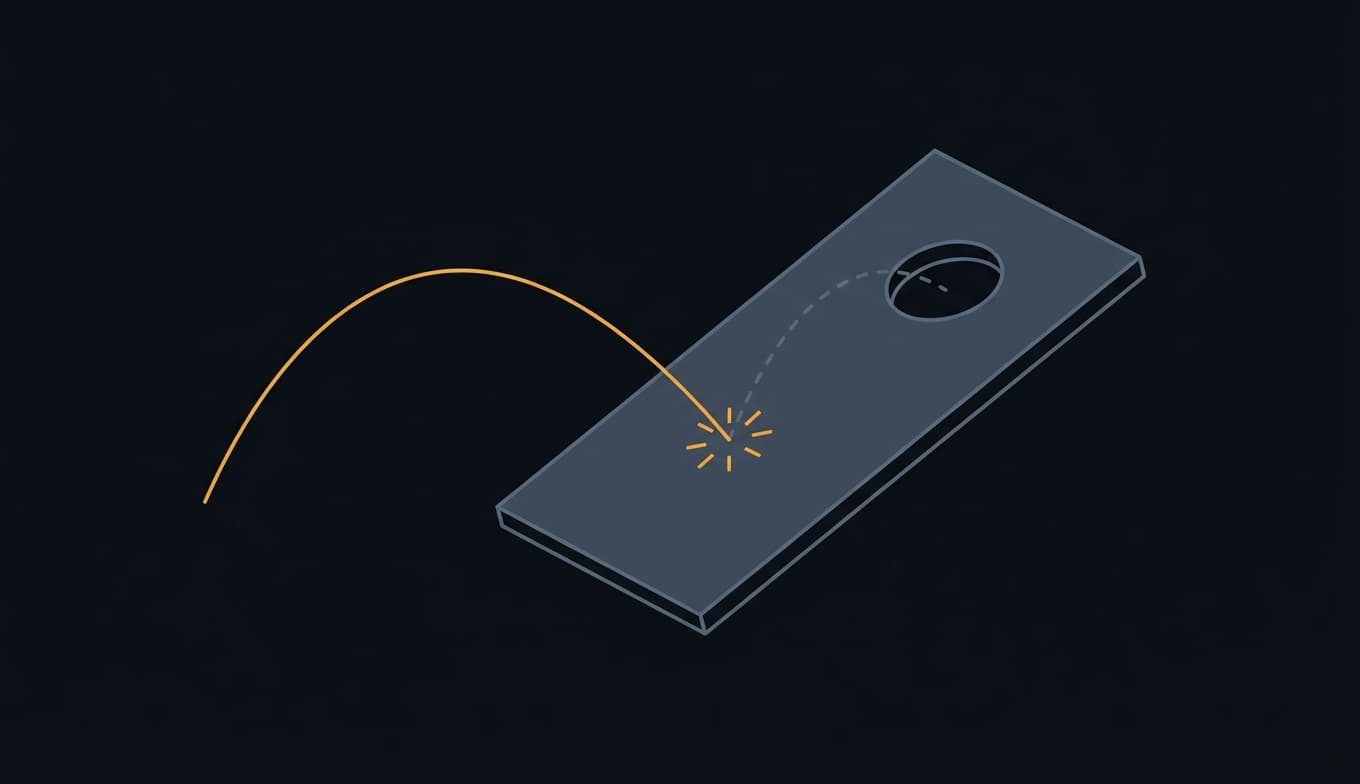
We had a tens-of-millions-of-throws simulator and an overnight Monte-Carlo run nearly three times larger. One Saturday-night physics audit showed the two models agree on every trajectory and disagree on half the outcomes — and every max-score throw was an artifact.
Field noteSimulationPattern
The answer isn't obvious. Systematic grid search gives you coverage. Random sampling gives you reality. You need both, and you need to know what each one is telling you.
Field noteSimulationTeardown
A parametric physics engine, 8 parameters, two overnight runs. The database exists. Here's the honest accounting of what building it took and what we learned that we couldn't have learned any other way.
PlaybookSimulationAvailable
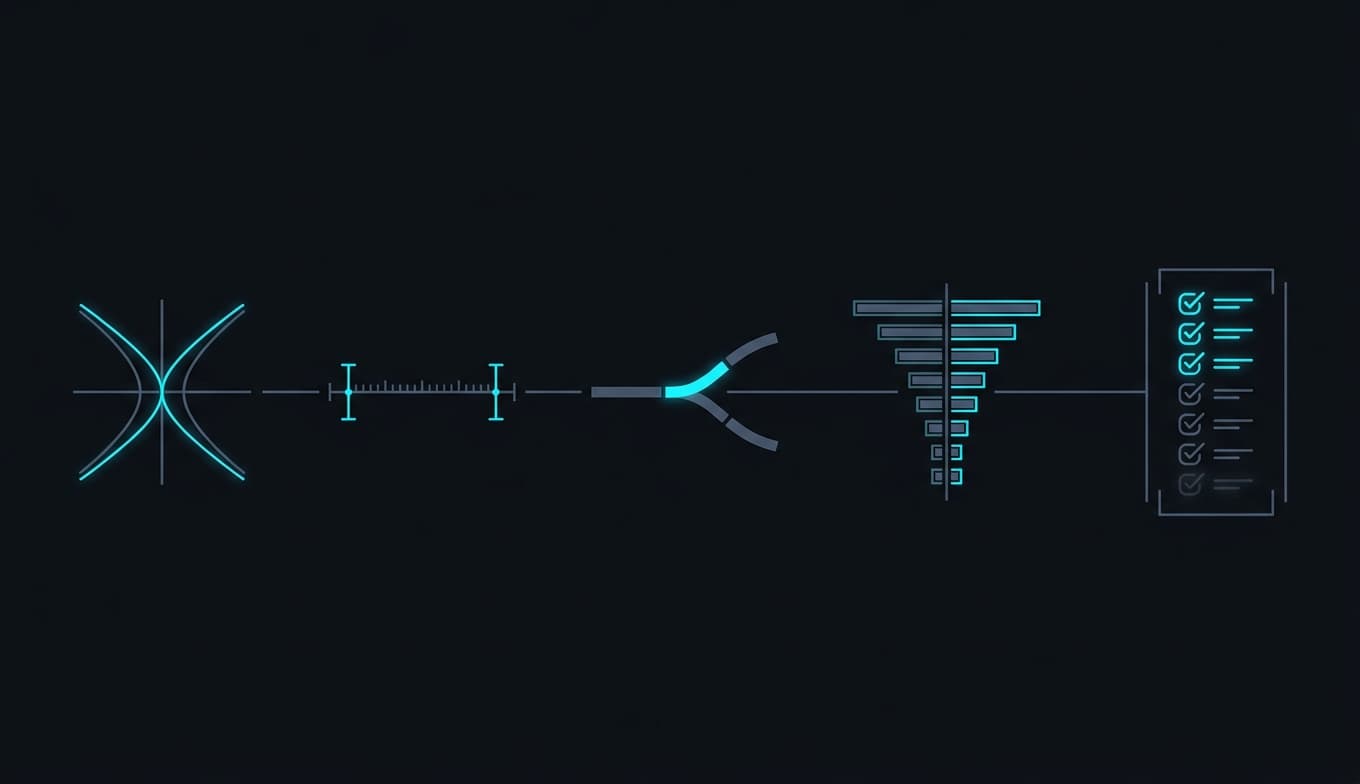
An agent audit of a Quantum Caddy simulator ran five phases in a fixed order — reproduce the as-built model, rebuild it from first principles, map the divergence, budget the uncertainty, ship a ranked measurement list. What each phase produced, what breaks it, and how to run it on a demand model or a game economy.
LessonSimulationOperating
Two models agreed on every trajectory to a hundredth of a foot and still flipped 48.3 percent of scored outcomes. Simulated states degrade gracefully; simulated labels fail all at once, right where the outcomes get interesting.